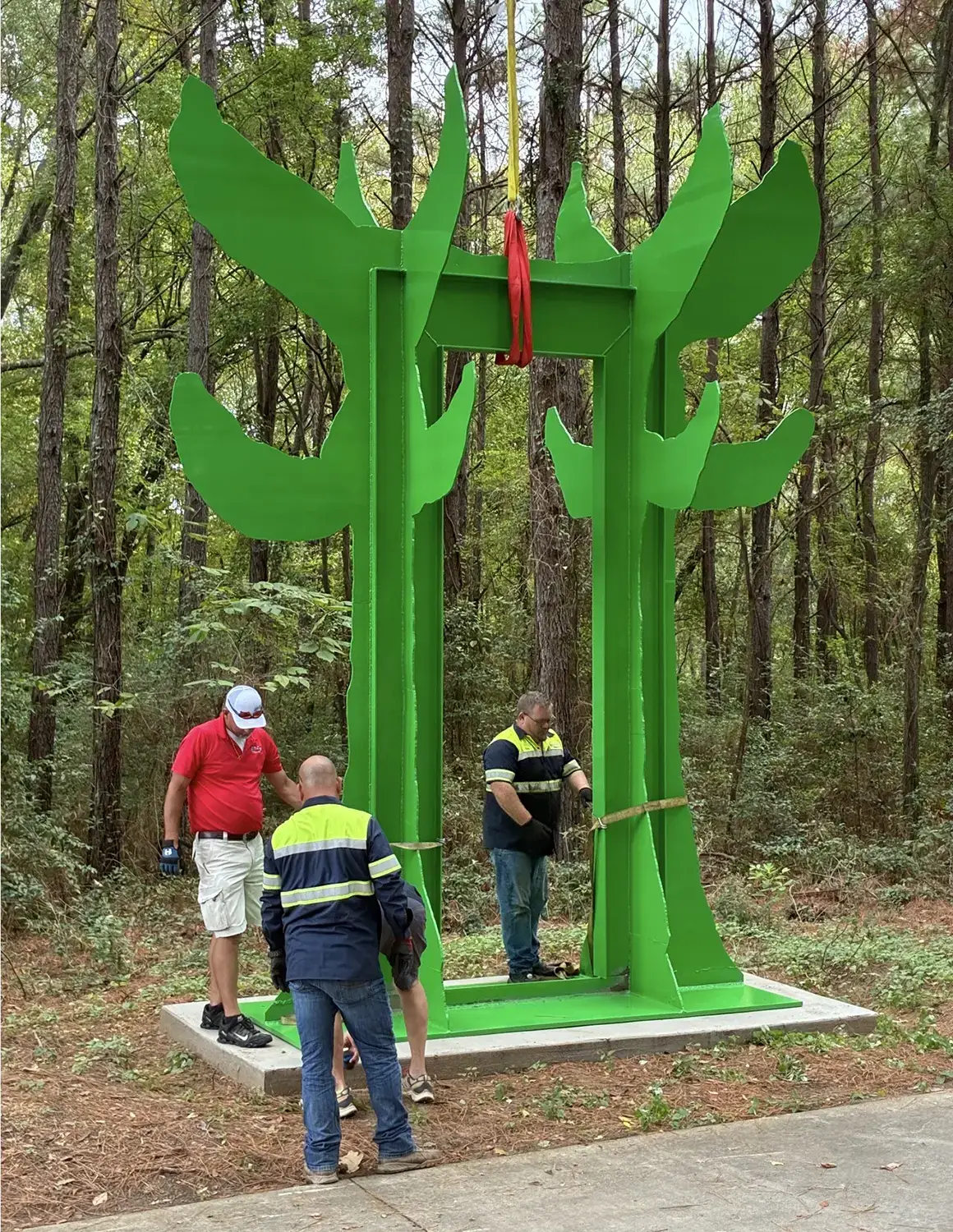
After more than four decades, a controversial, Smithsonian-documented sculpture finds its forever home at the Longview Arboretum & Nature Center.
In 1986, a three-ton steel sculpture was cut down from its prominent location on a Longview college campus. Its removal was the result of years of heated public debate about art, beauty and what belonged in the community’s public spaces.
That sculpture is called Night Winds.
Today, nearly 40 years after its controversial removal, Night Winds has begun a new chapter in the gardens of the Longview Arboretum & Nature Center.
Its journey is a remarkable story of artistic expression, public controversy, preservation and second chances. And it is a story that belongs to Longview.
Night Winds is not disappearing from its history. Its history is traveling with it.
At the Longview Arboretum & Nature Center, the sculpture has become part of a growing landscape where art, nature, education and community intersect.
A new generation will have the opportunity to experience it, form its own opinions and discover the history behind the artwork.
And perhaps that is one of the most important reasons to preserve public art. Not because everyone must agree about its beauty or meaning, but because future generations deserve the opportunity to encounter it and decide for themselves.
After more than four decades, several homes, and one extraordinary journey, a new chapter has begun.
The Longview Arboretum & Nature Center is honored to say, “Welcome Home Night Winds.”
A Monumental Beginning
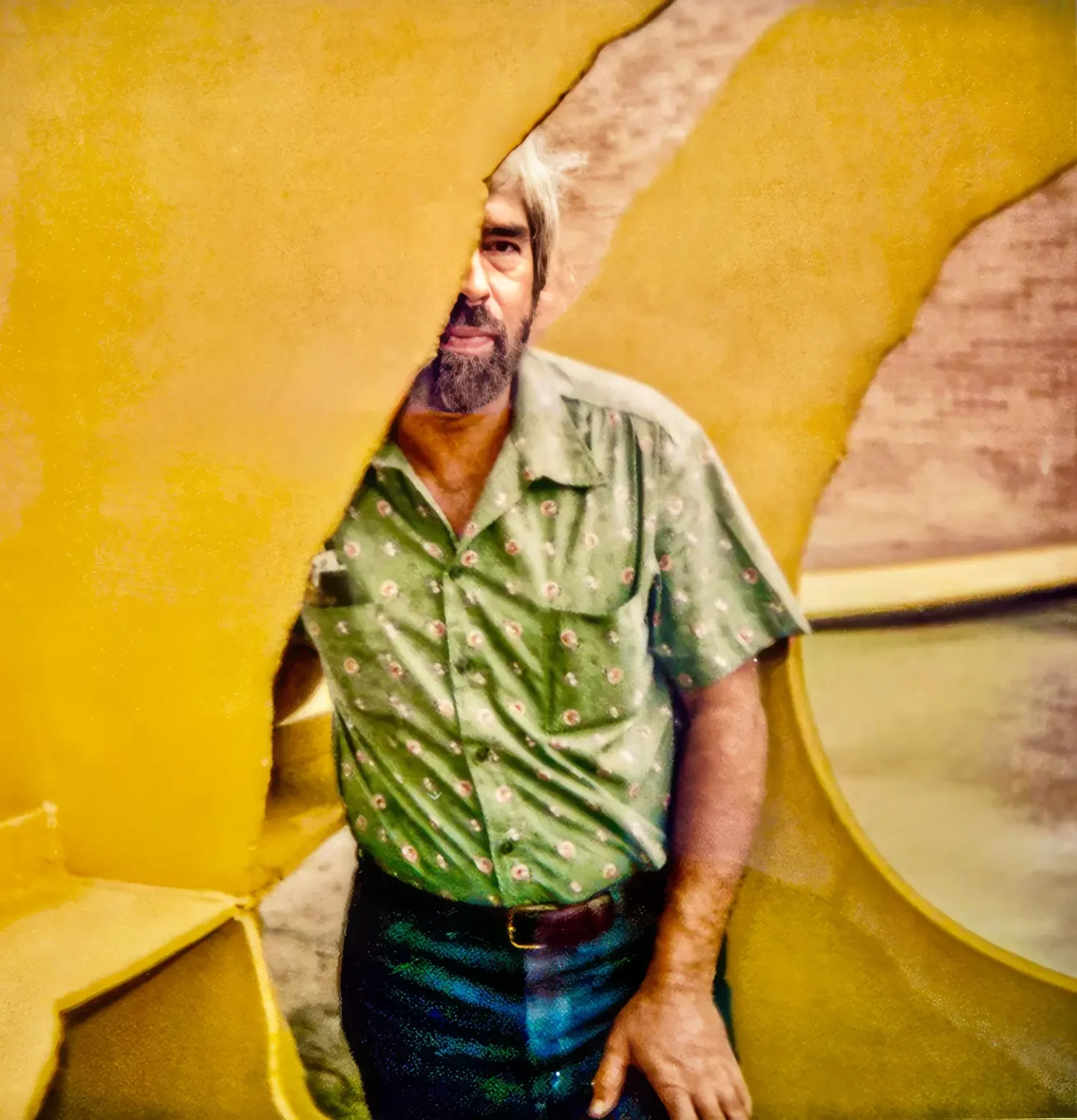
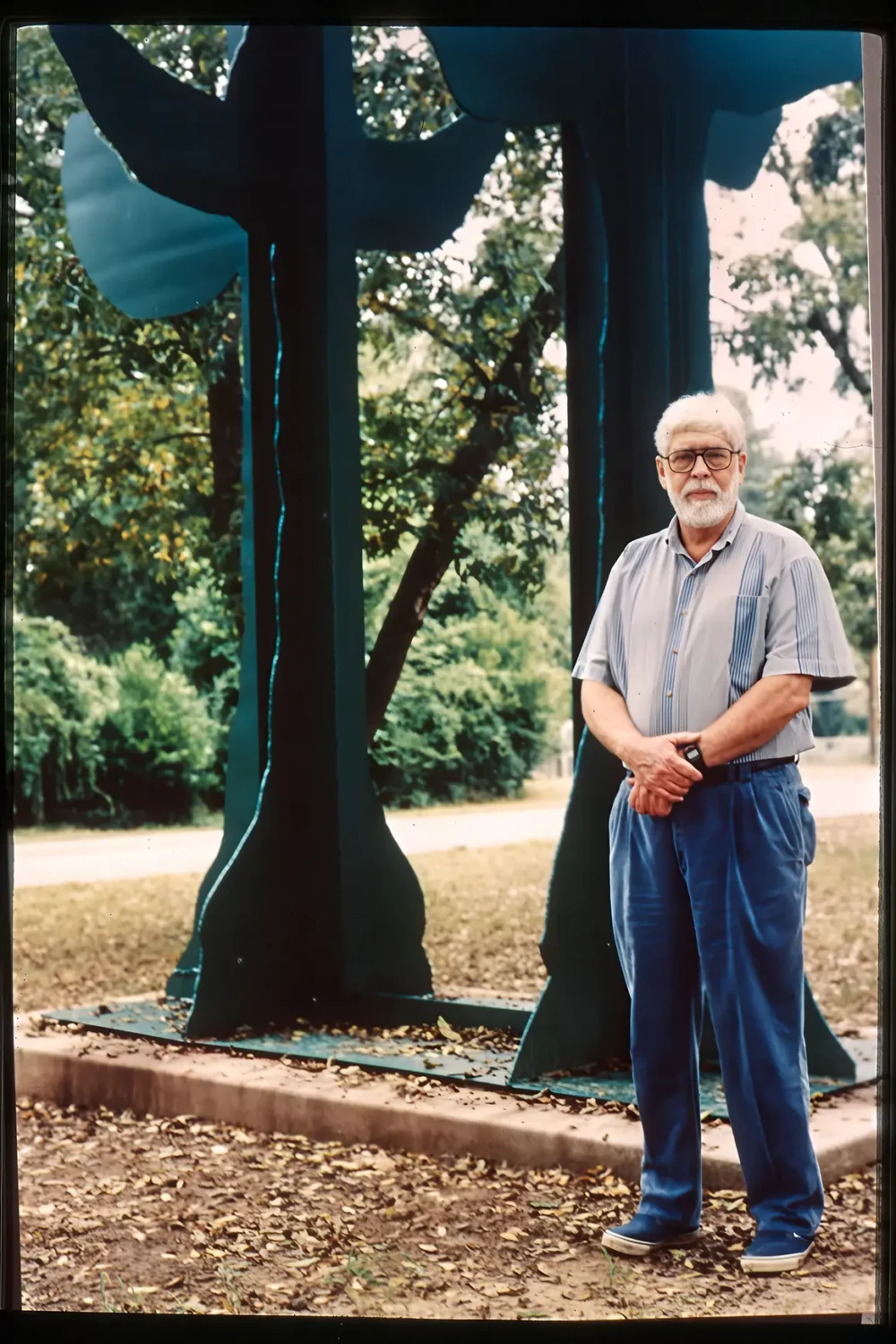
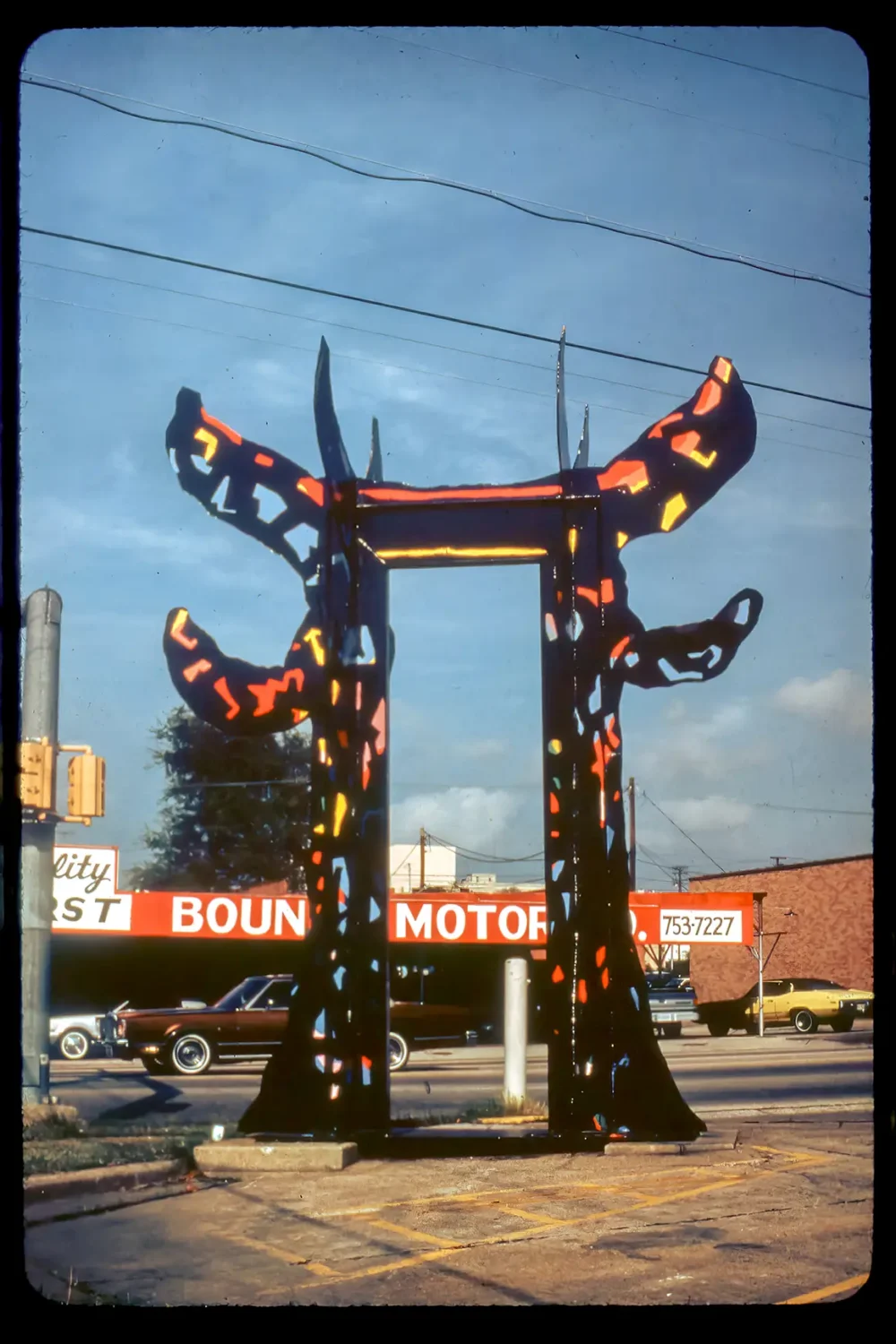
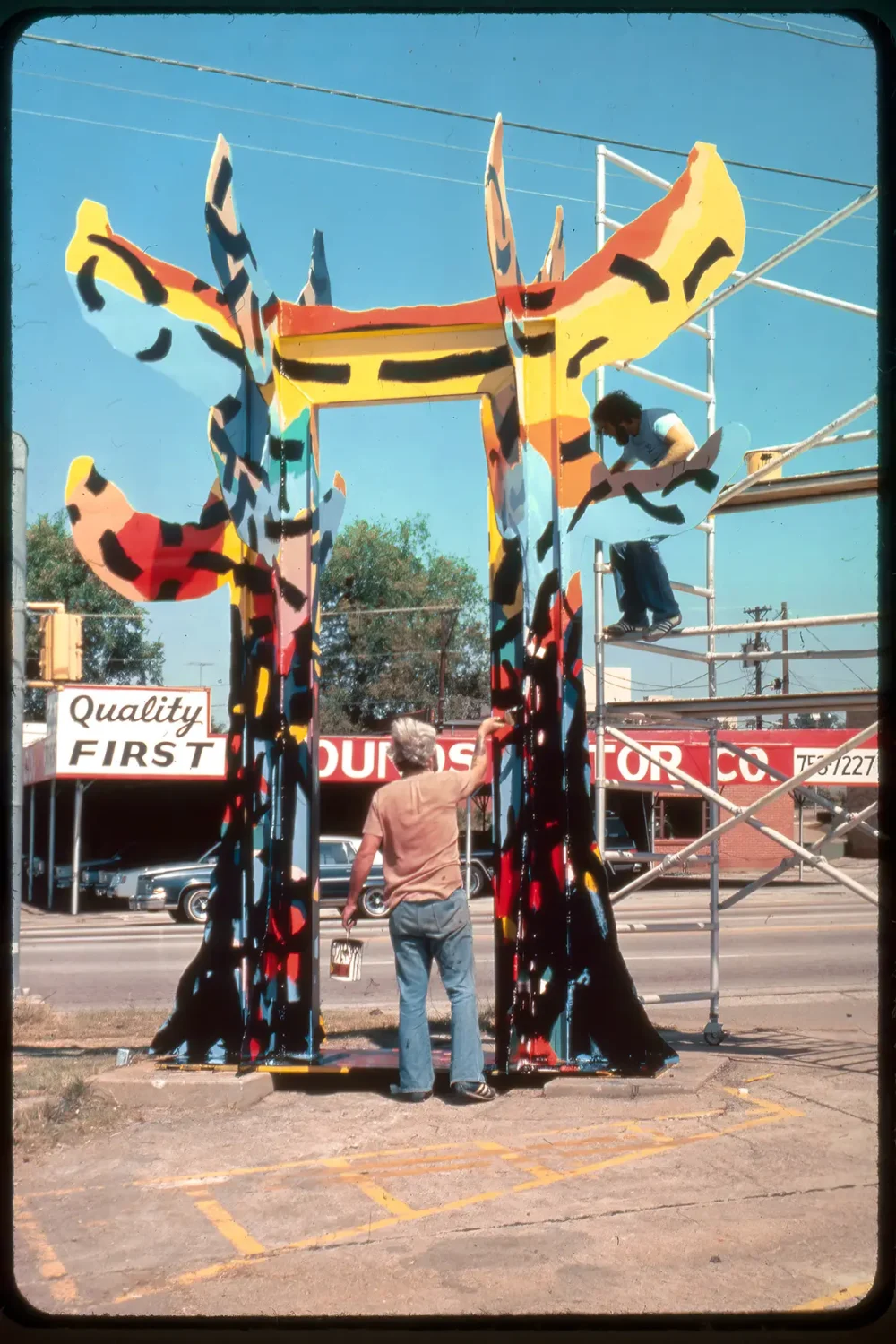
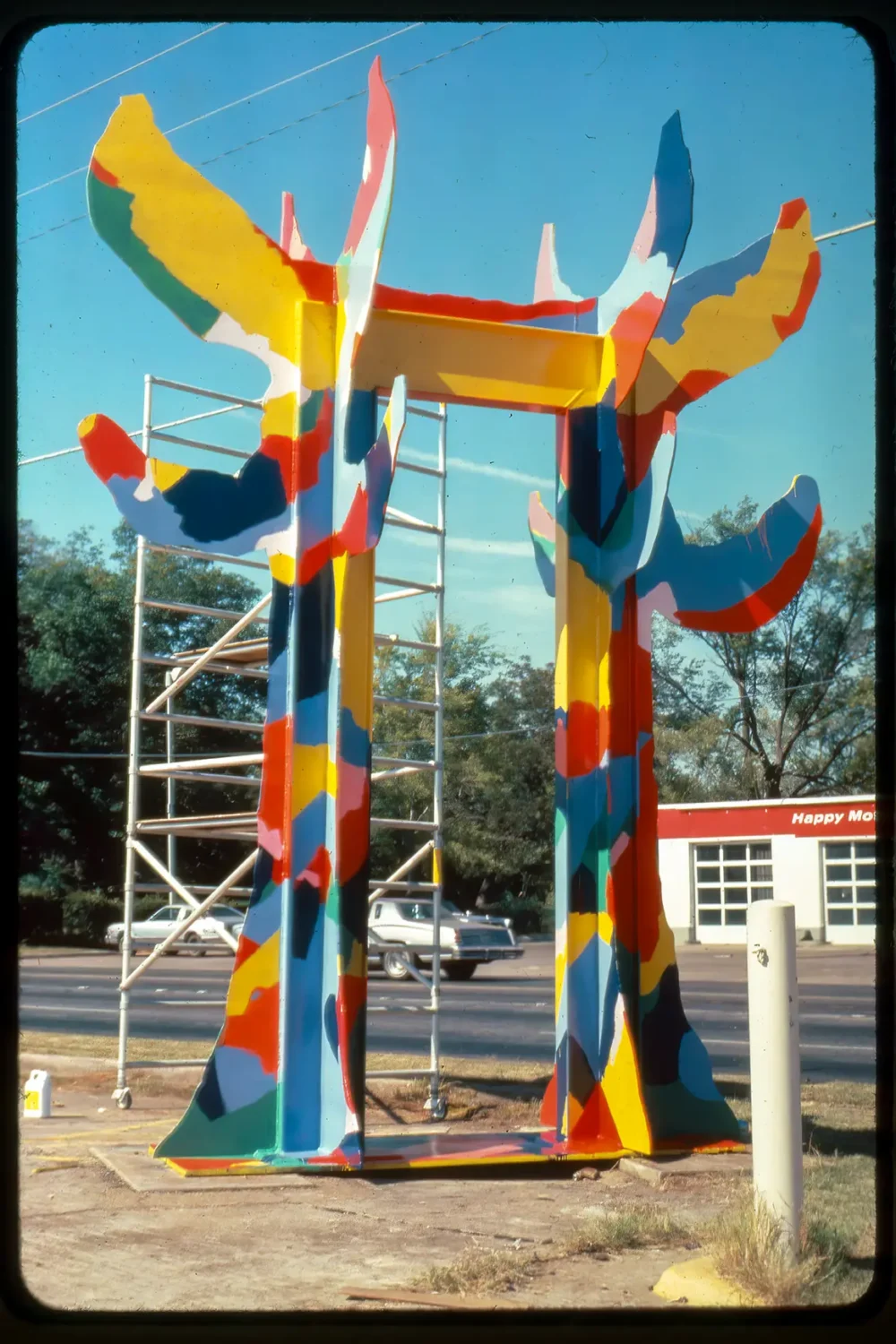
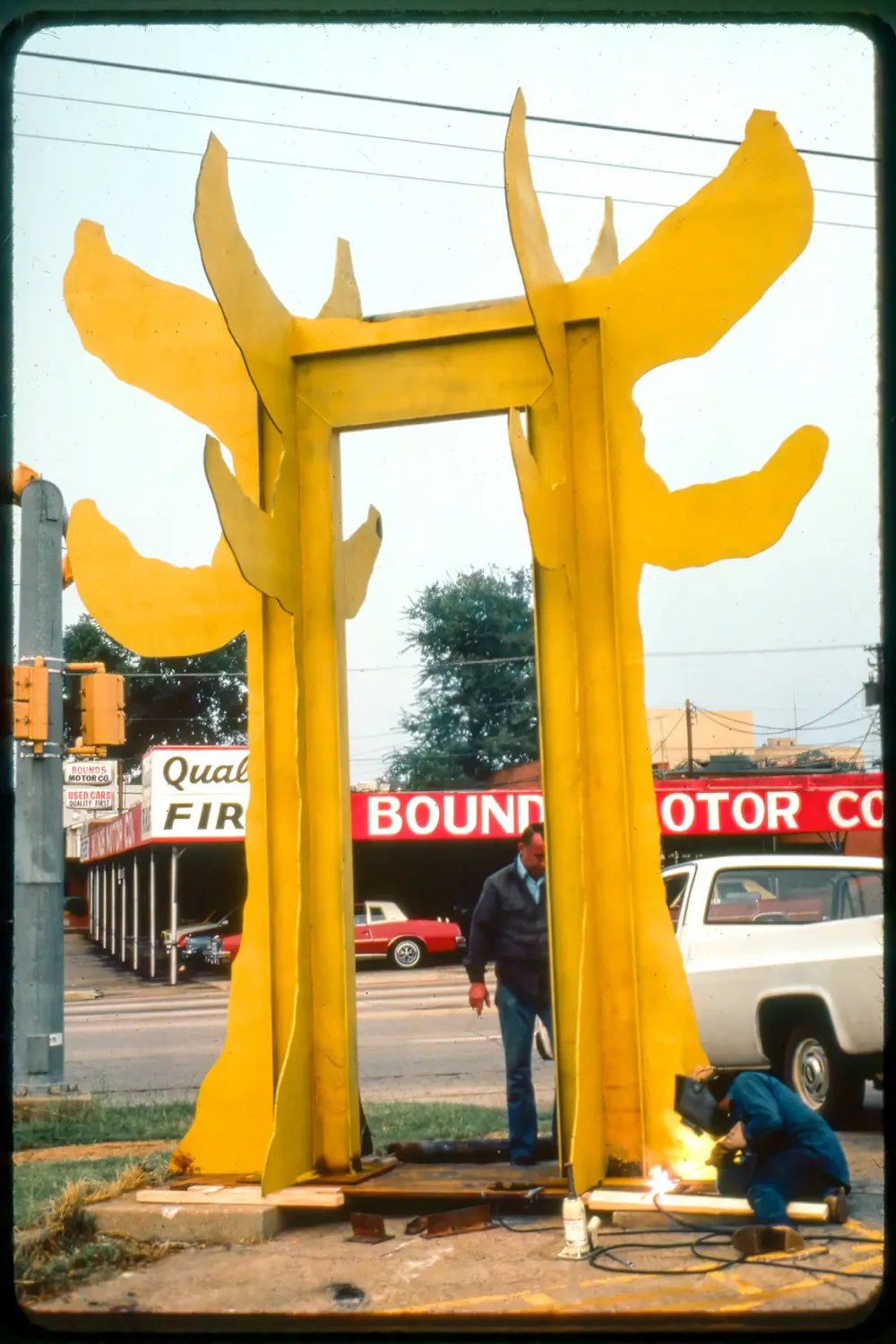
Created by sculptor John Daniel, Night Winds was installed in 1981 at Kilgore College’s Longview campus, near the intersection of South and High streets.
The college was then operating in a former Sears building, and the commissioned sculpture brought an ambitious artistic presence to an otherwise ordinary commercial setting.
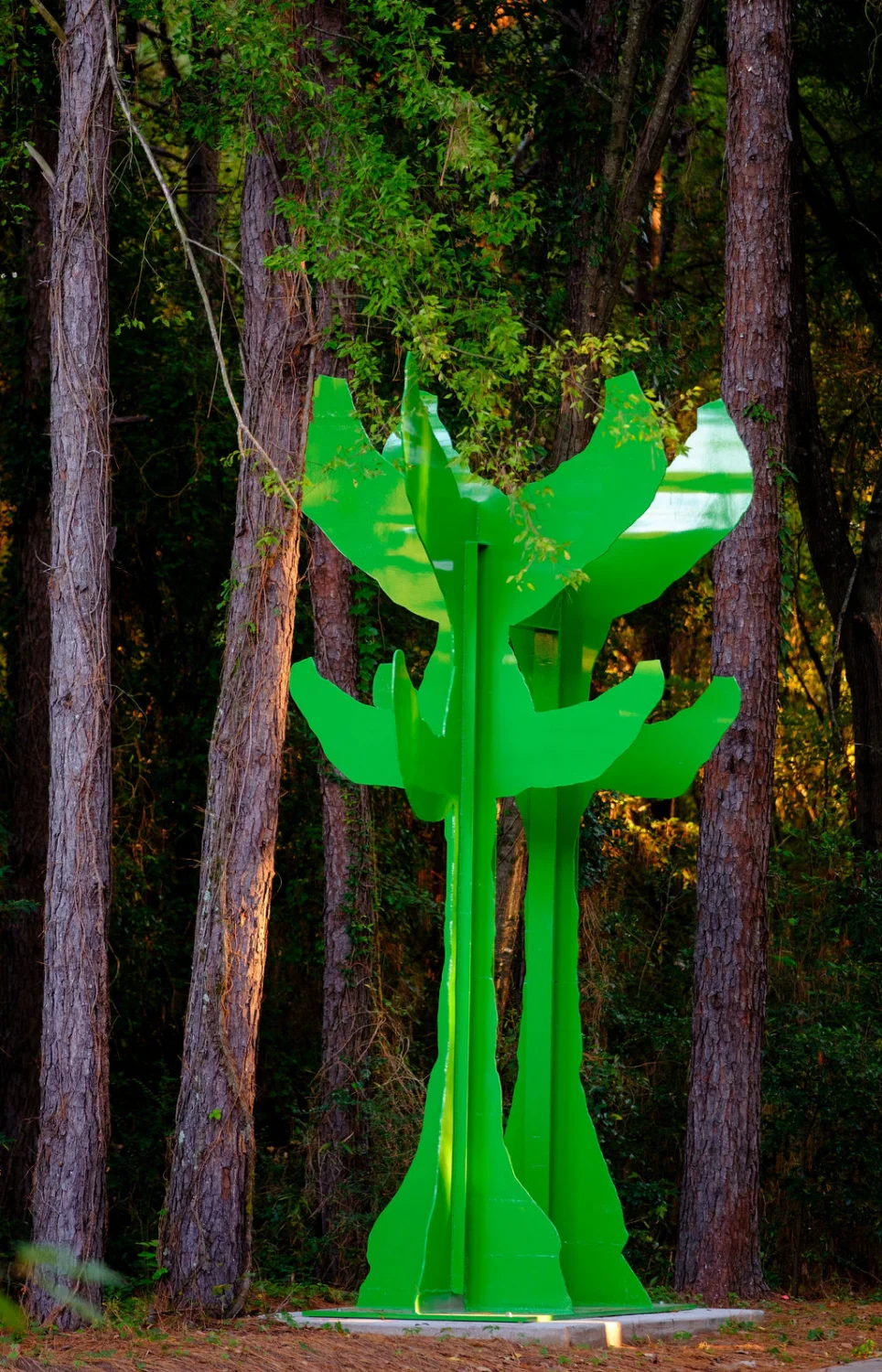
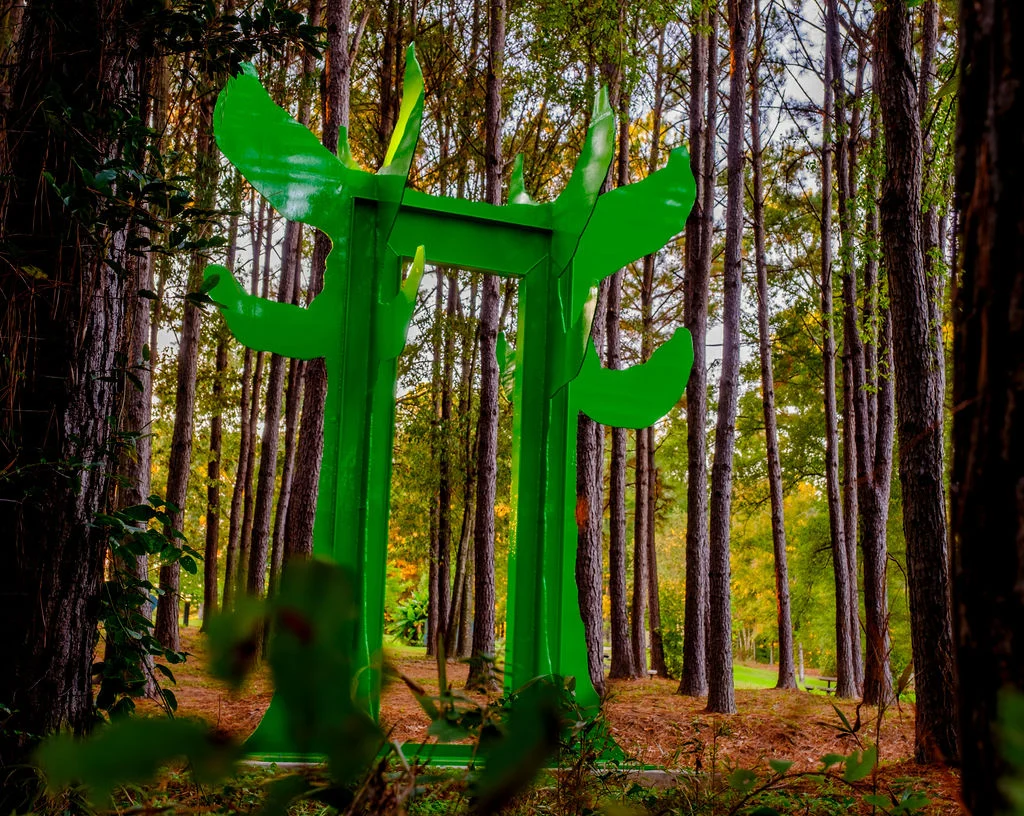
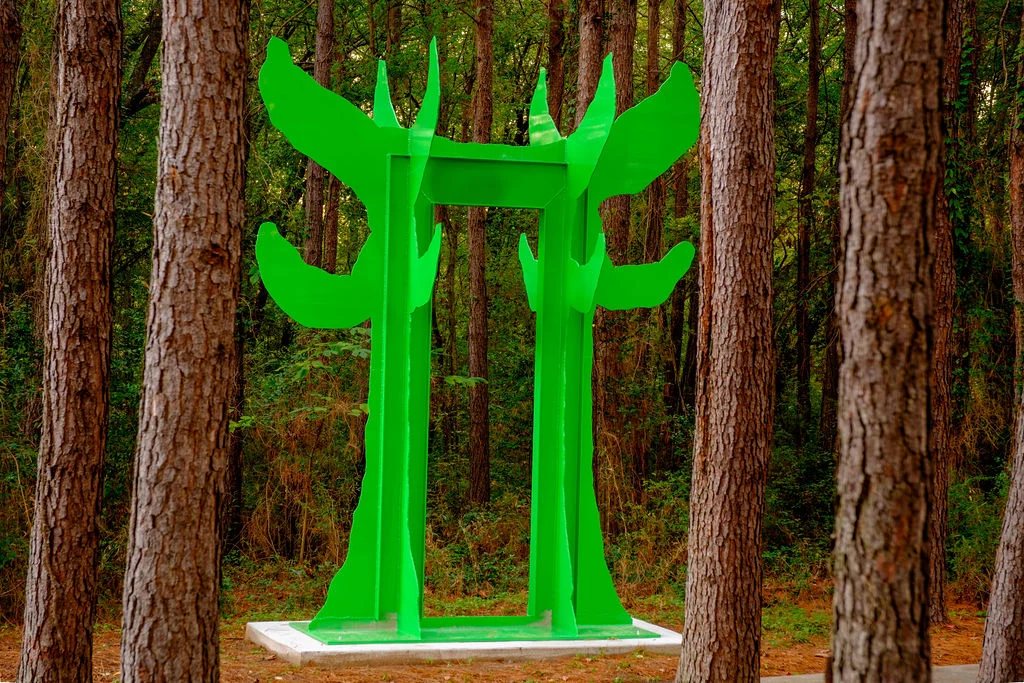
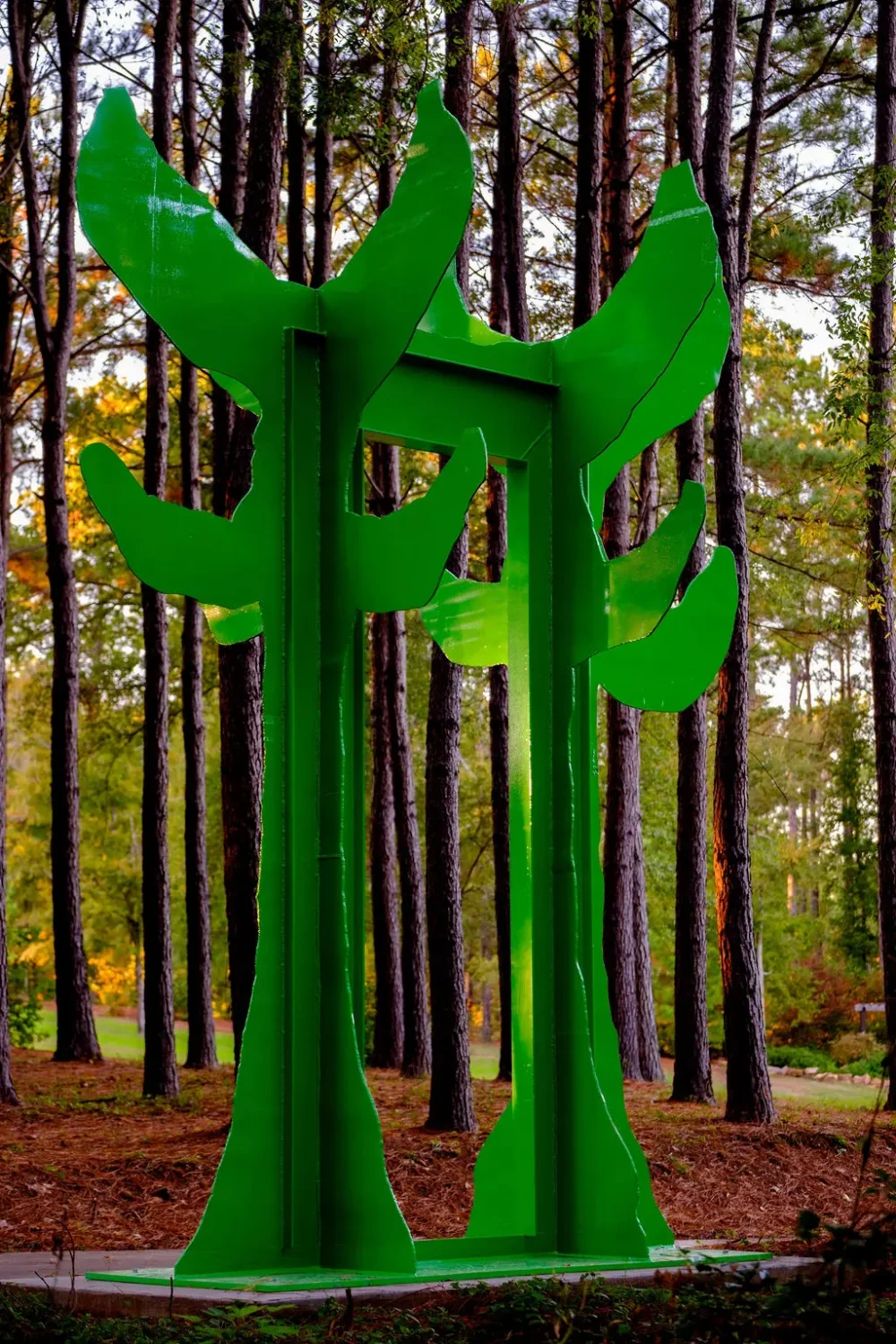
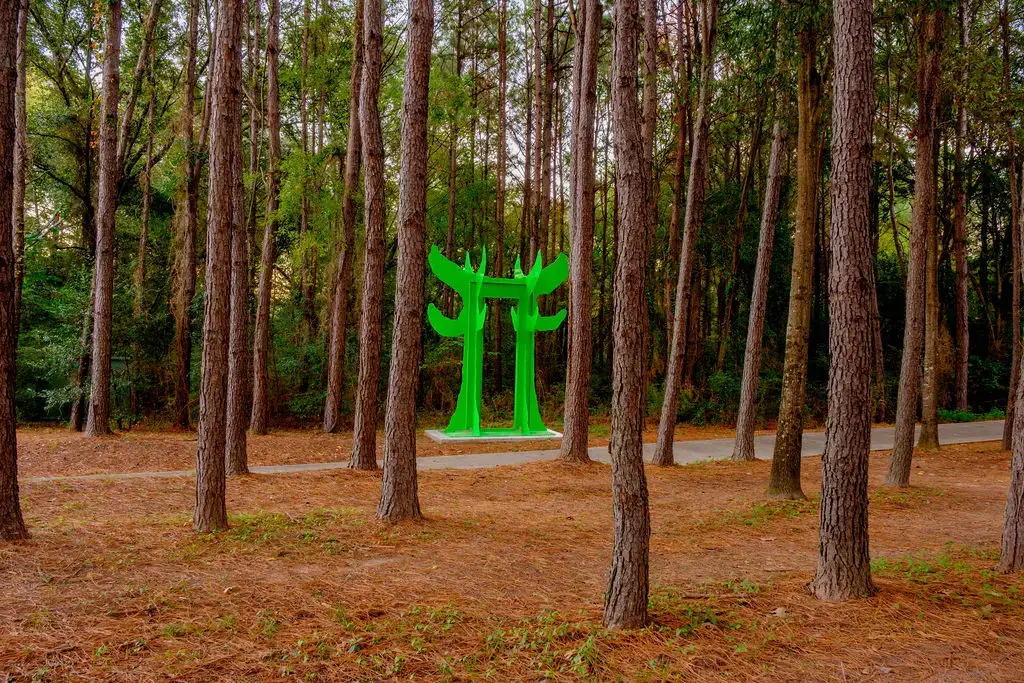
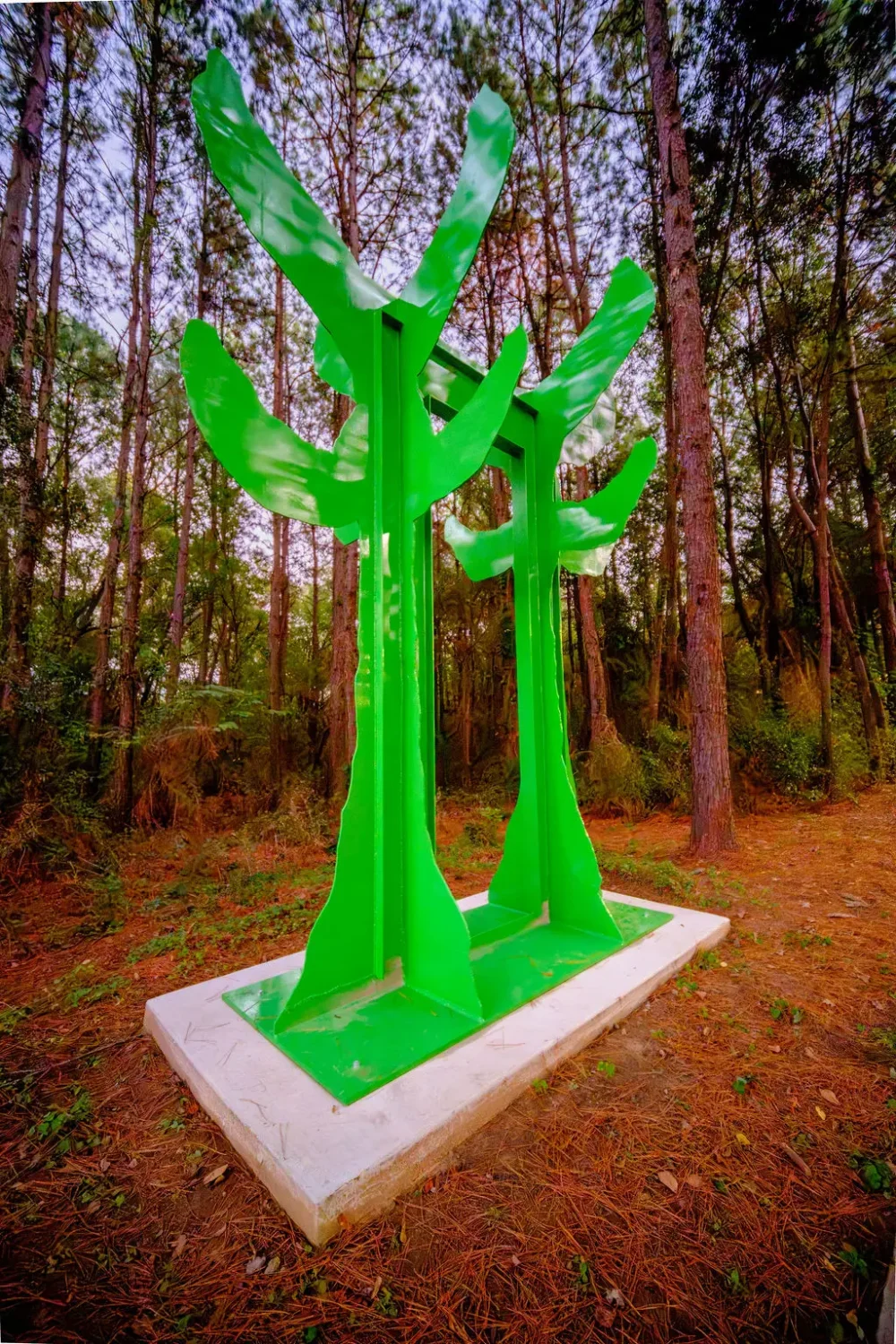
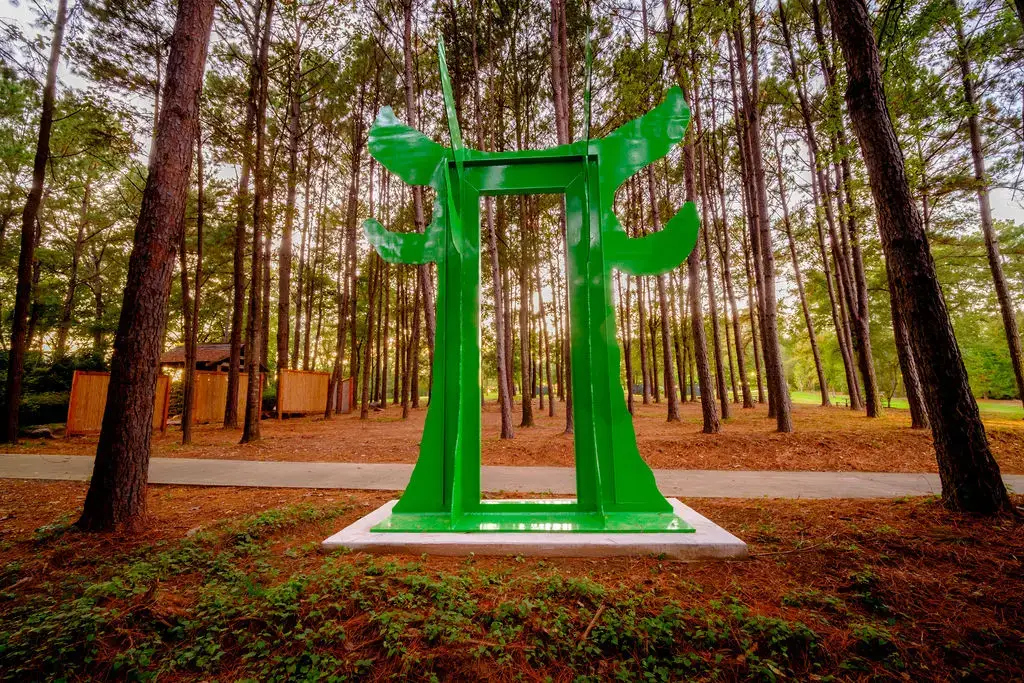
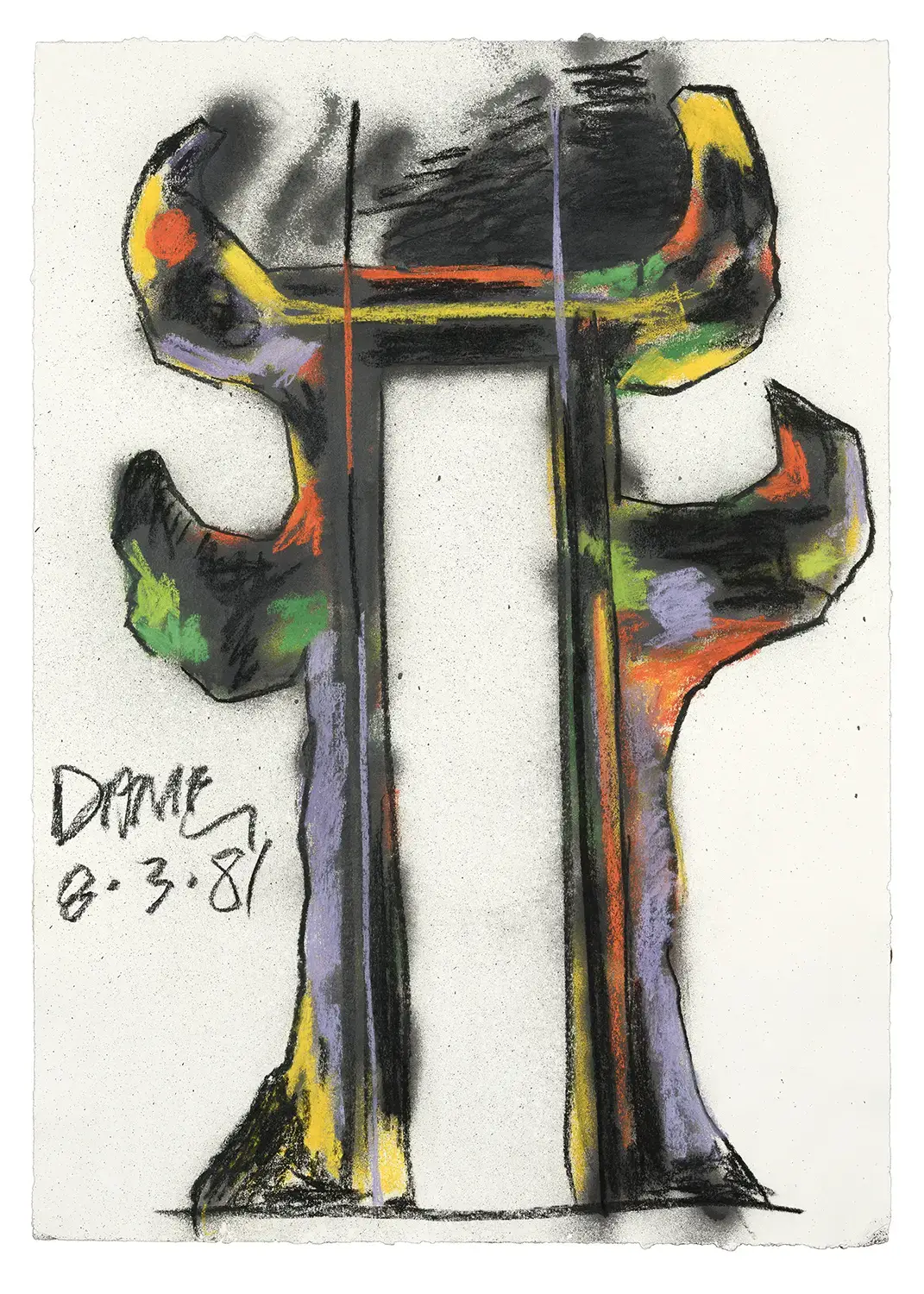
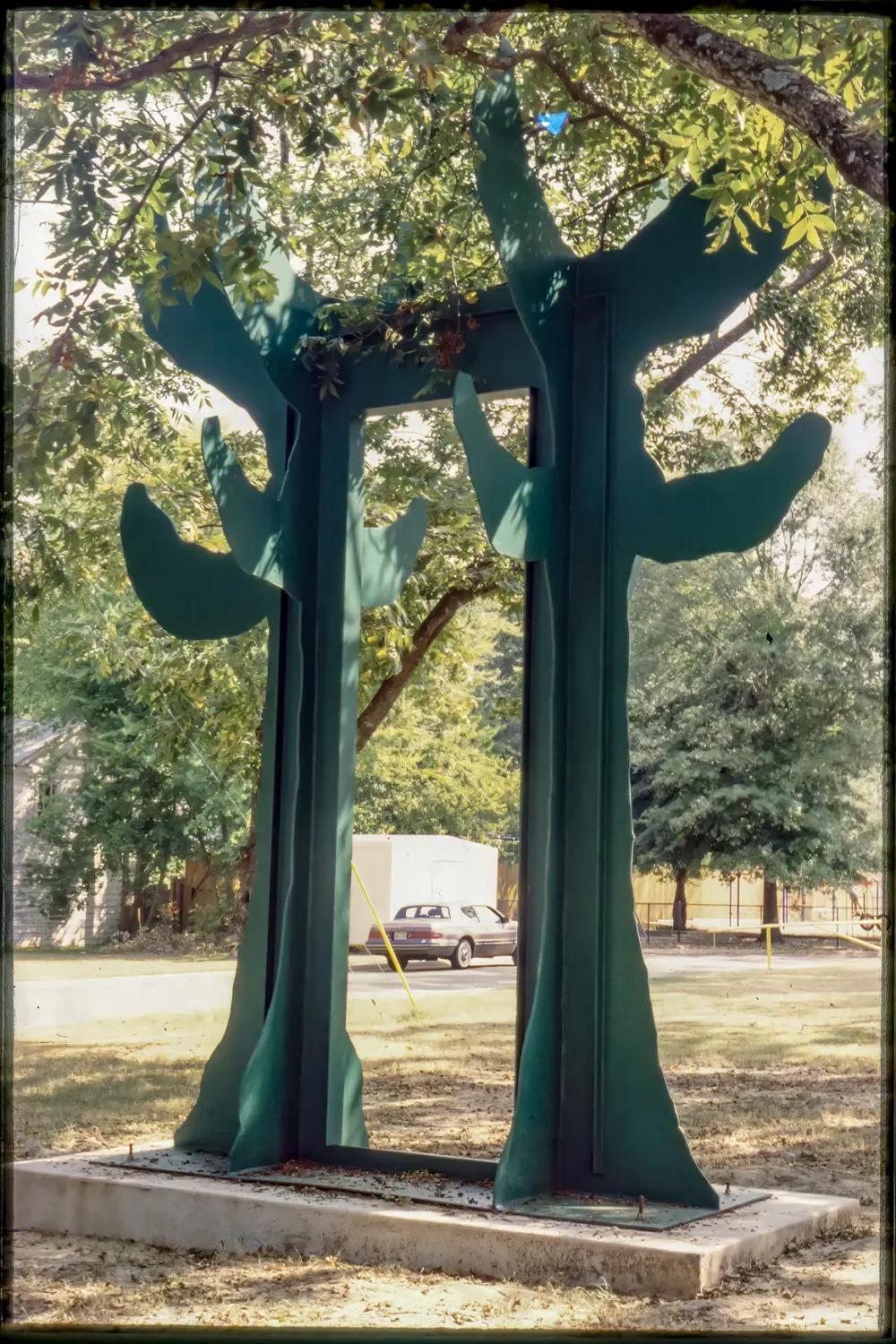
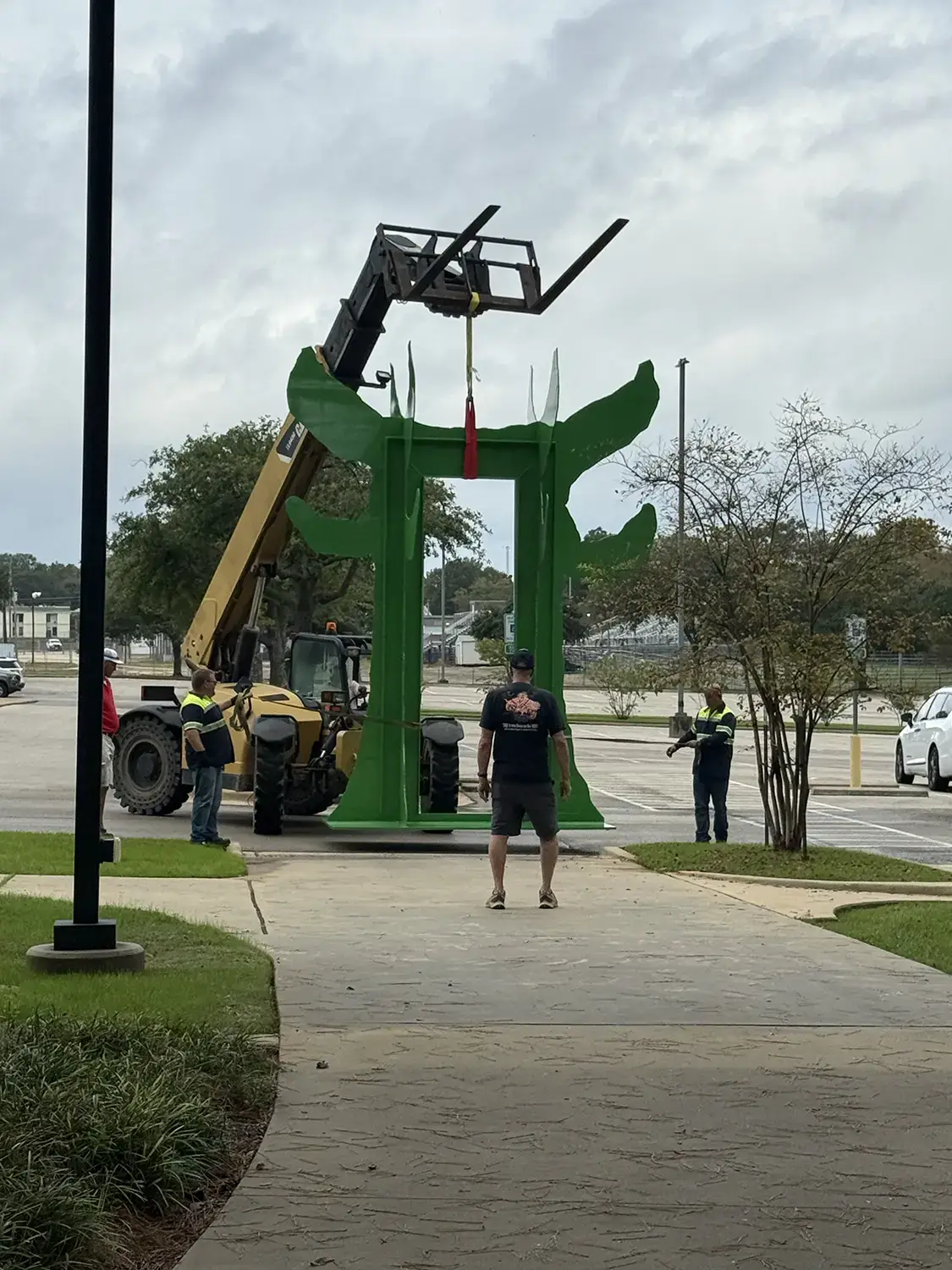
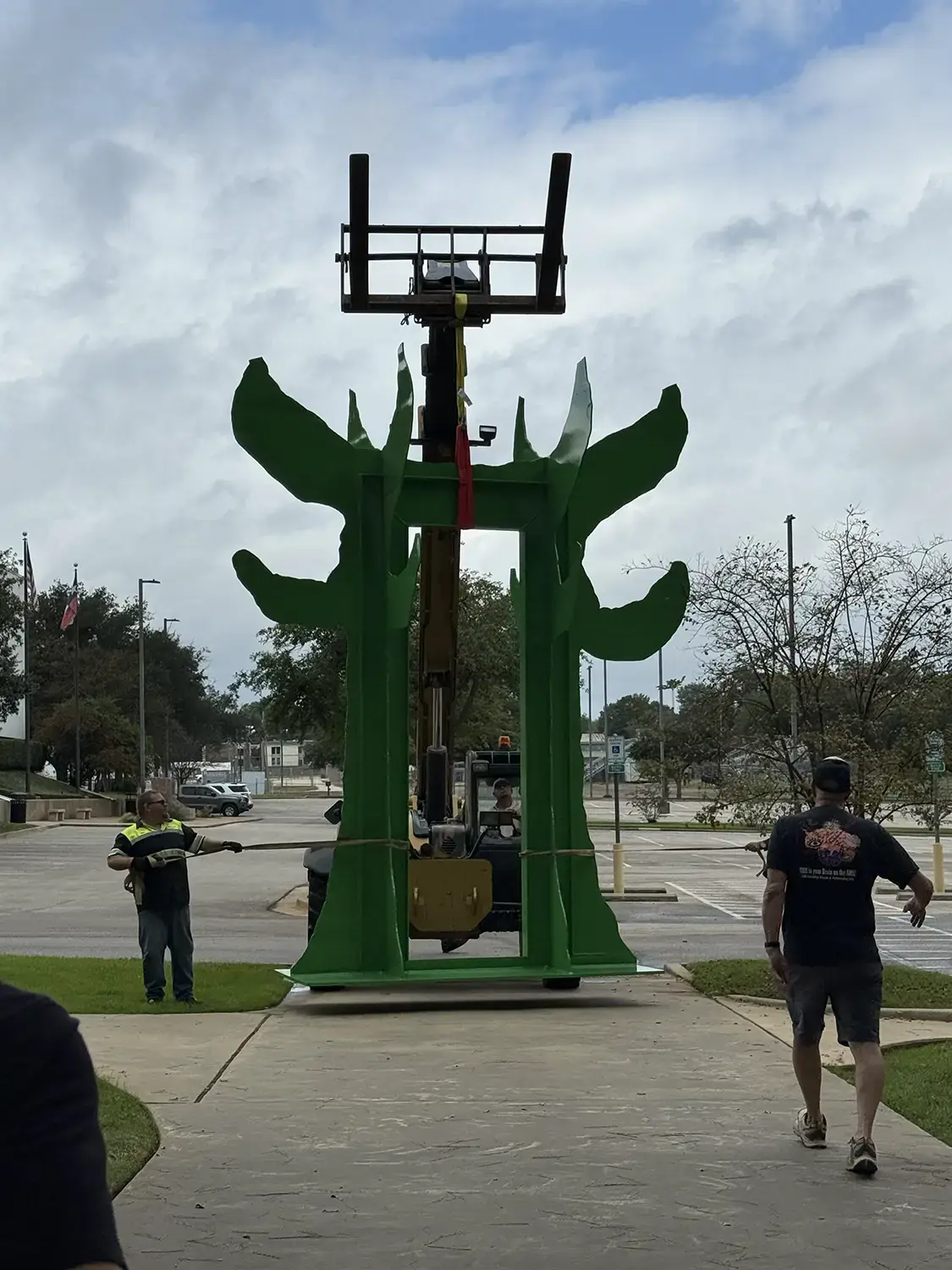
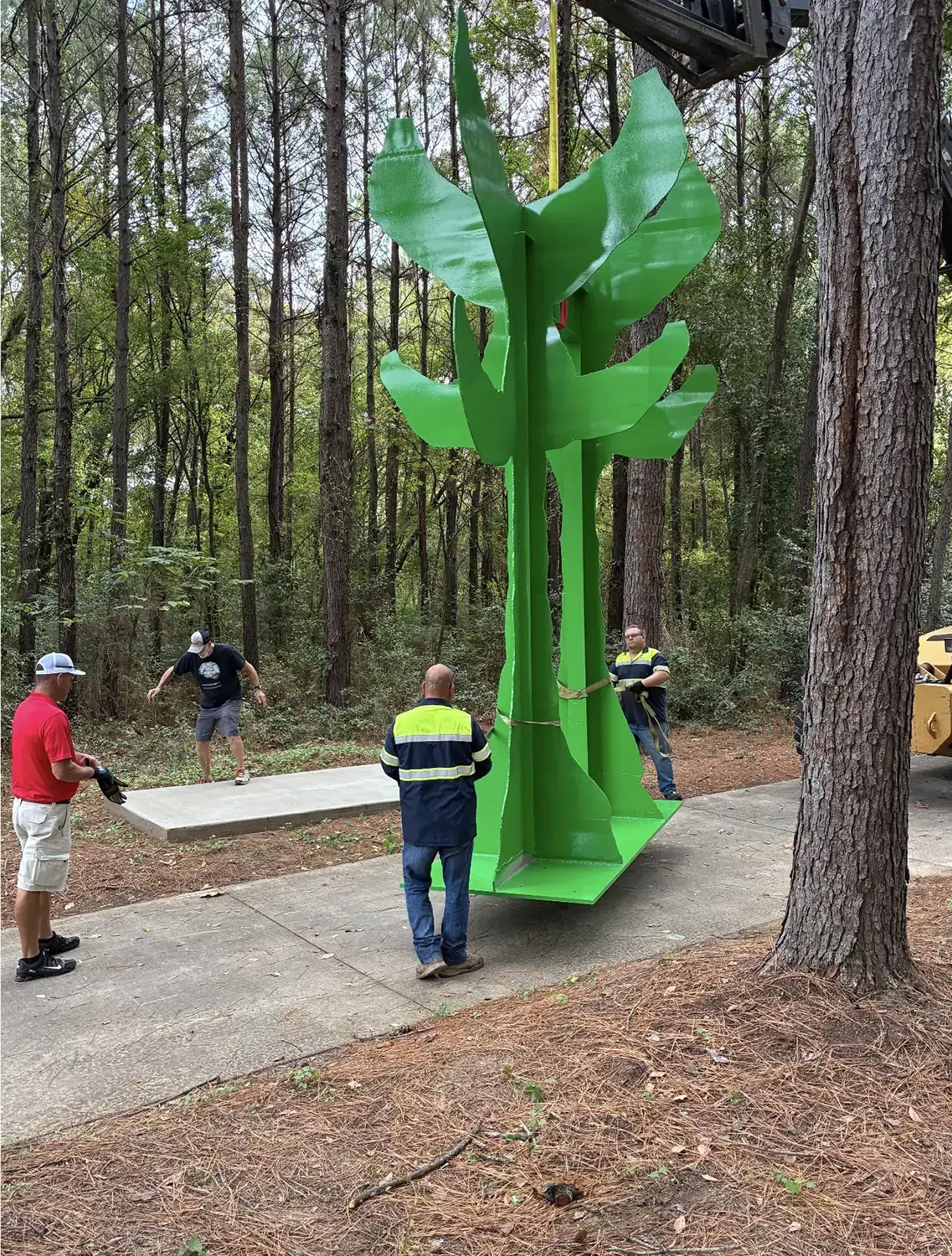
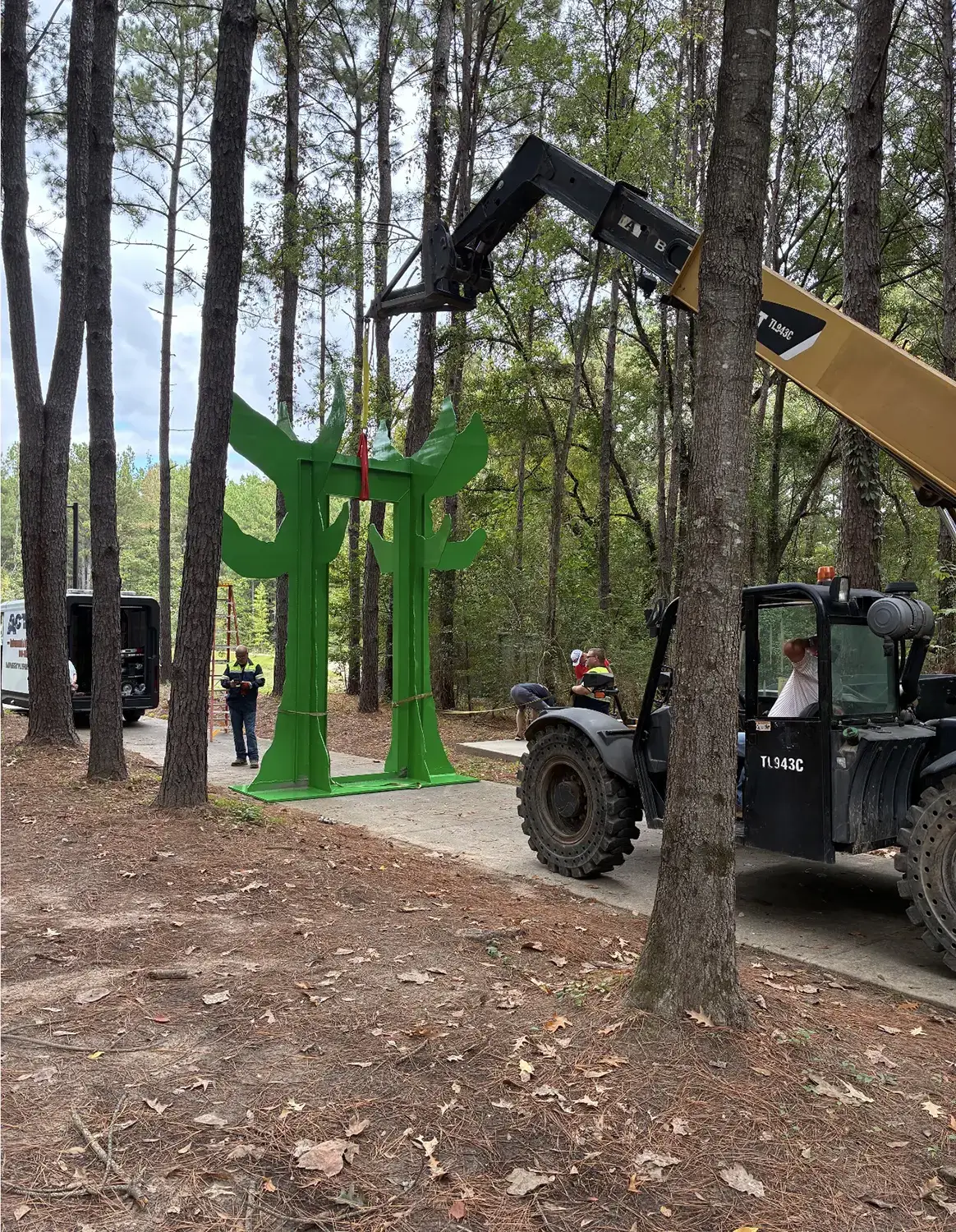
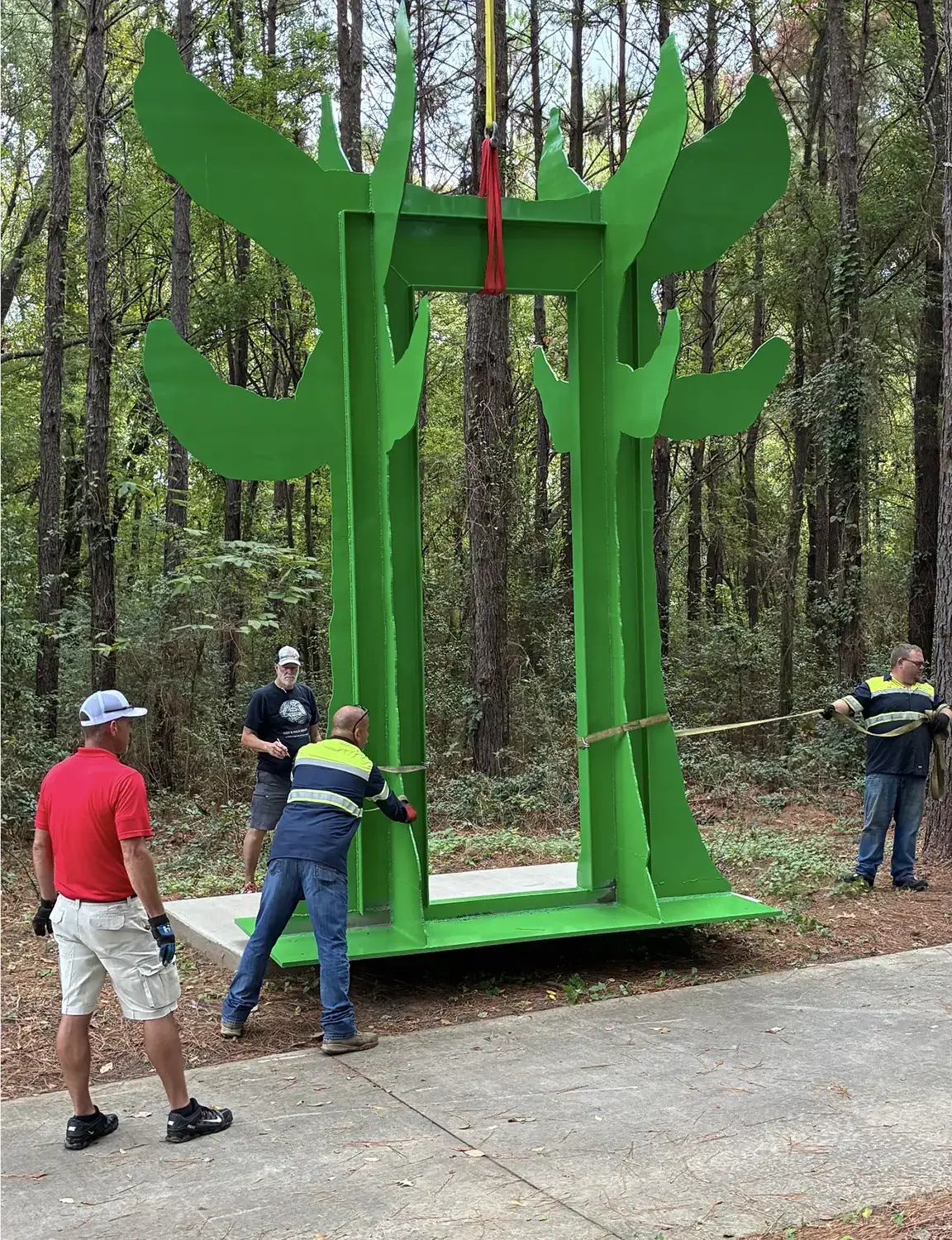
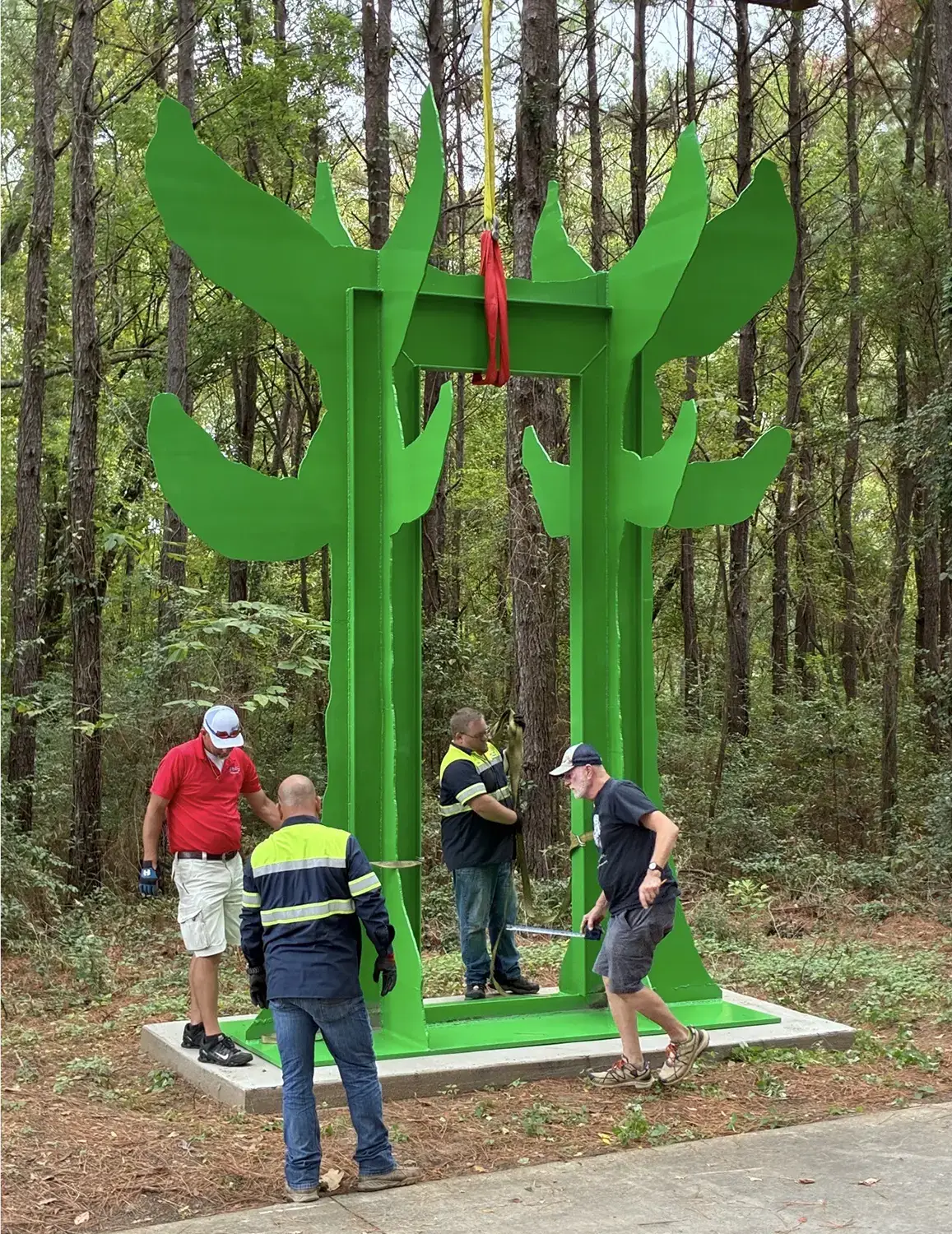
Constructed from steel and decorated with irregular, multicolored shapes, the monumental work depicts two stylized trees connected by a horizontal crossbar. Its striking abstract design was impossible to ignore.
And the people certainly noticed.
Some embraced Night Winds as an imaginative addition to Longview’s cultural landscape. Others questioned its appearance, meaning and place in the community.
What began as a public art installation would soon become the subject of a debate that reached far beyond East Texas.
Art, Controversy and National Spotlight
For several years, Night Winds stood at the center of a growing controversy over public art.
In letters and public commentary, critics challenged the sculpture’s artistic merit and questioned whether abstract art belonged in such a visible location. Supporters defended it as an expression of creativity and an important part of the community’s cultural development.
The disagreement became increasingly contentious.
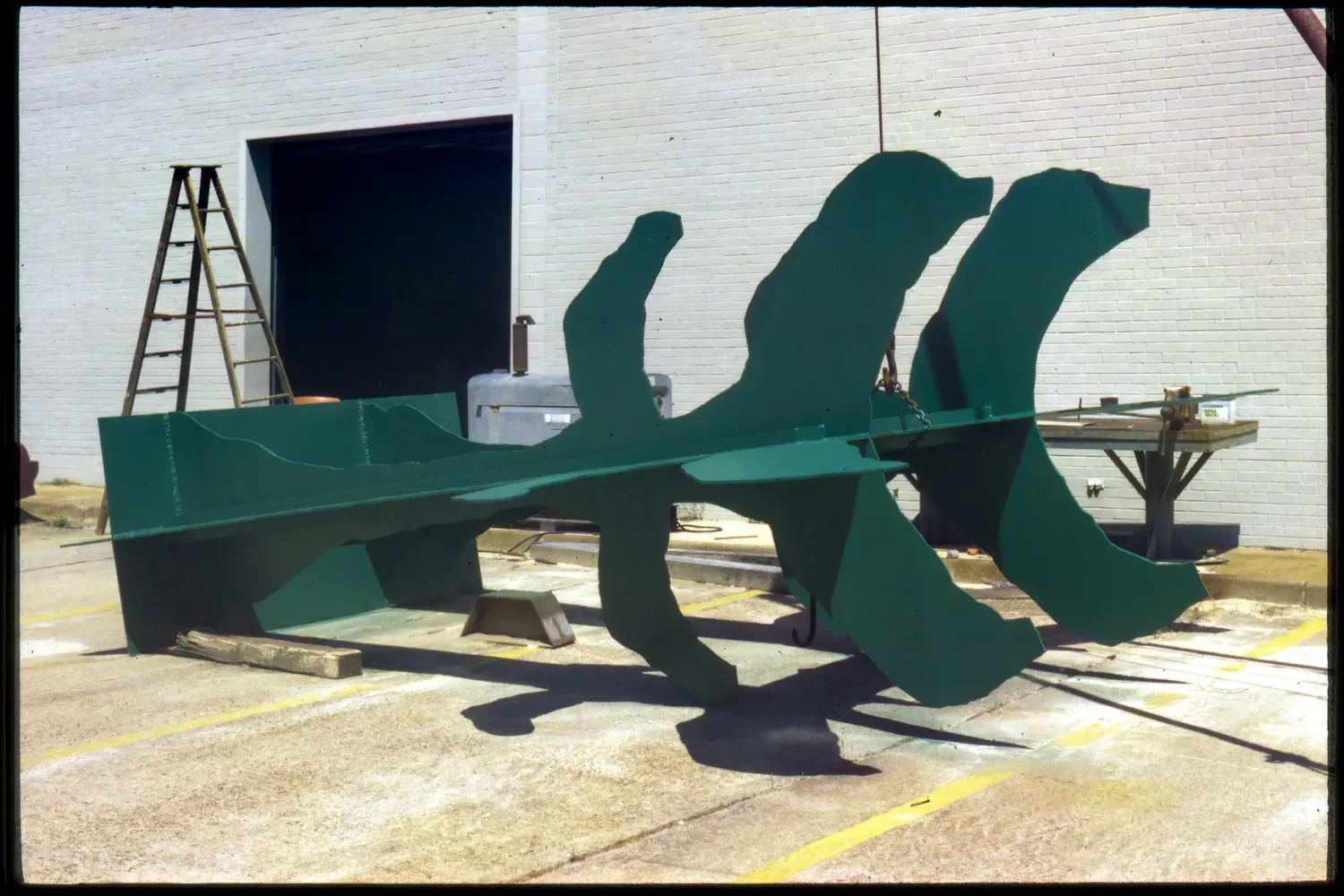
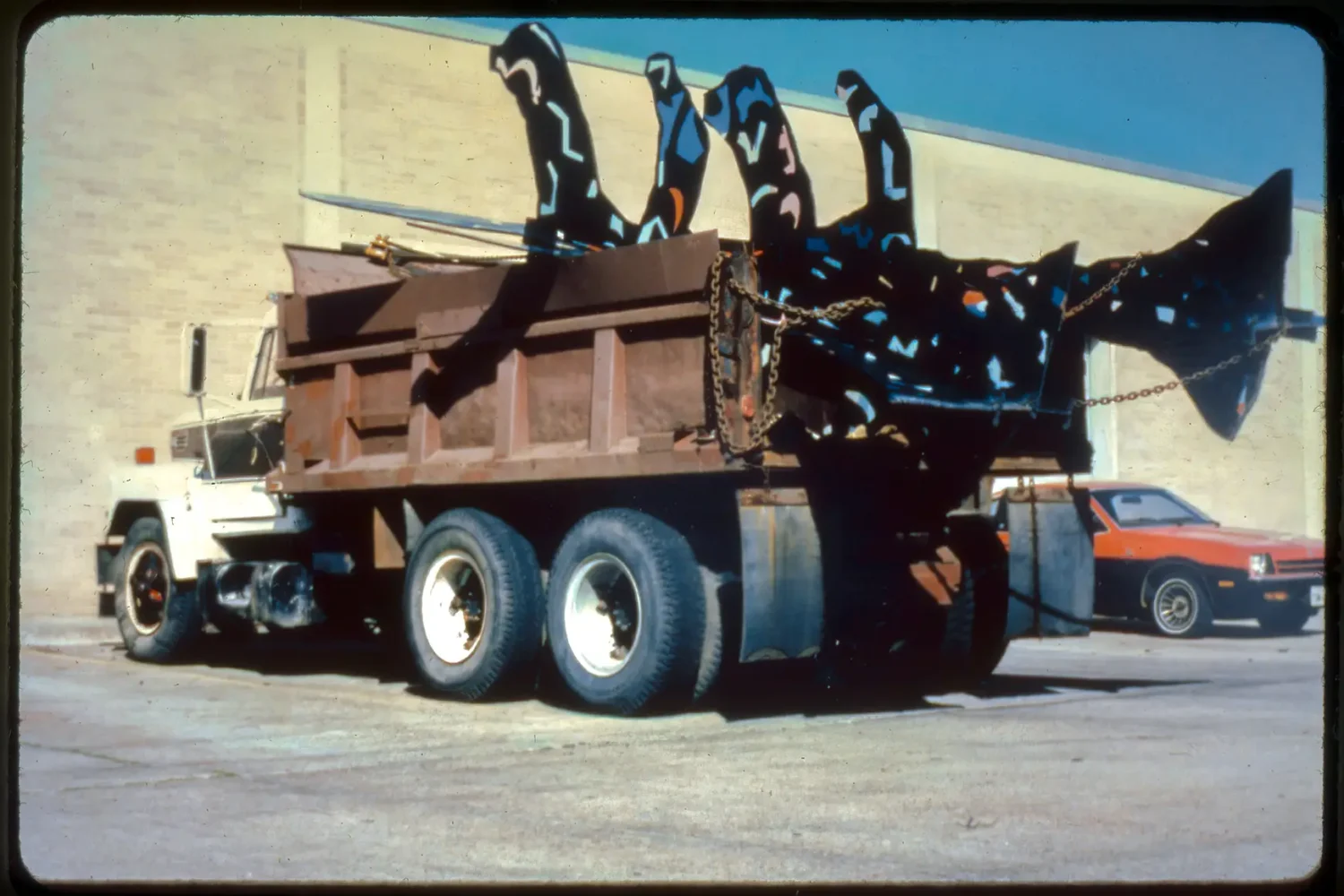
In March 1986, Kilgore College officials ordered the sculpture removed. Workers used cutting torches to bring down the massive steel structure, ending its five-year presence at the college.
The removal sparked student unrest and attracted national media attention. An Associated Press report circulated across the country, with coverage appearing in publications including the Los Angeles Times.
The controversy also affected individuals who defended the work. Kilgore College art professor Gary Frields became an outspoken supporter of Night Winds. A later remembrance by fellow artist and photographer O. Rufus Lovett recalled that Frields left his teaching position over the dispute, at considerable personal and financial cost.
The debate raised questions that remain relevant today: Who decides what constitutes art? Must art be universally admired to deserve a public place? And what responsibility does a community have to preserve work that challenges or divides it?
Although the sculpture was removed, those questions, and the artwork itself, did not disappear.
A Place in the Smithsonian’s Records
Despite its controversial local history, Night Winds holds a documented place in the broader history of American sculpture.
The Smithsonian American Art Museum includes John Daniel’s work in its Inventory of American Sculpture, a national research resource documenting artworks in public and private collections.
The Smithsonian’s catalog identifies Night Winds, its artist, its 1981 installation and its distinctive design and materials. The record also references the Associated Press coverage from 1986.
This national documentation provides an important historical record of a sculpture whose significance extends beyond its physical location.
The Smithsonian’s inclusion of Night Winds in its inventory preserves a connection between this East Texas artwork and the larger story of American public art.
View the Smithsonian’s official record of Night Winds: https://www.si.edu/object/night-winds-sculpture%3Asiris_ari_25535
From Storage to a Second Home
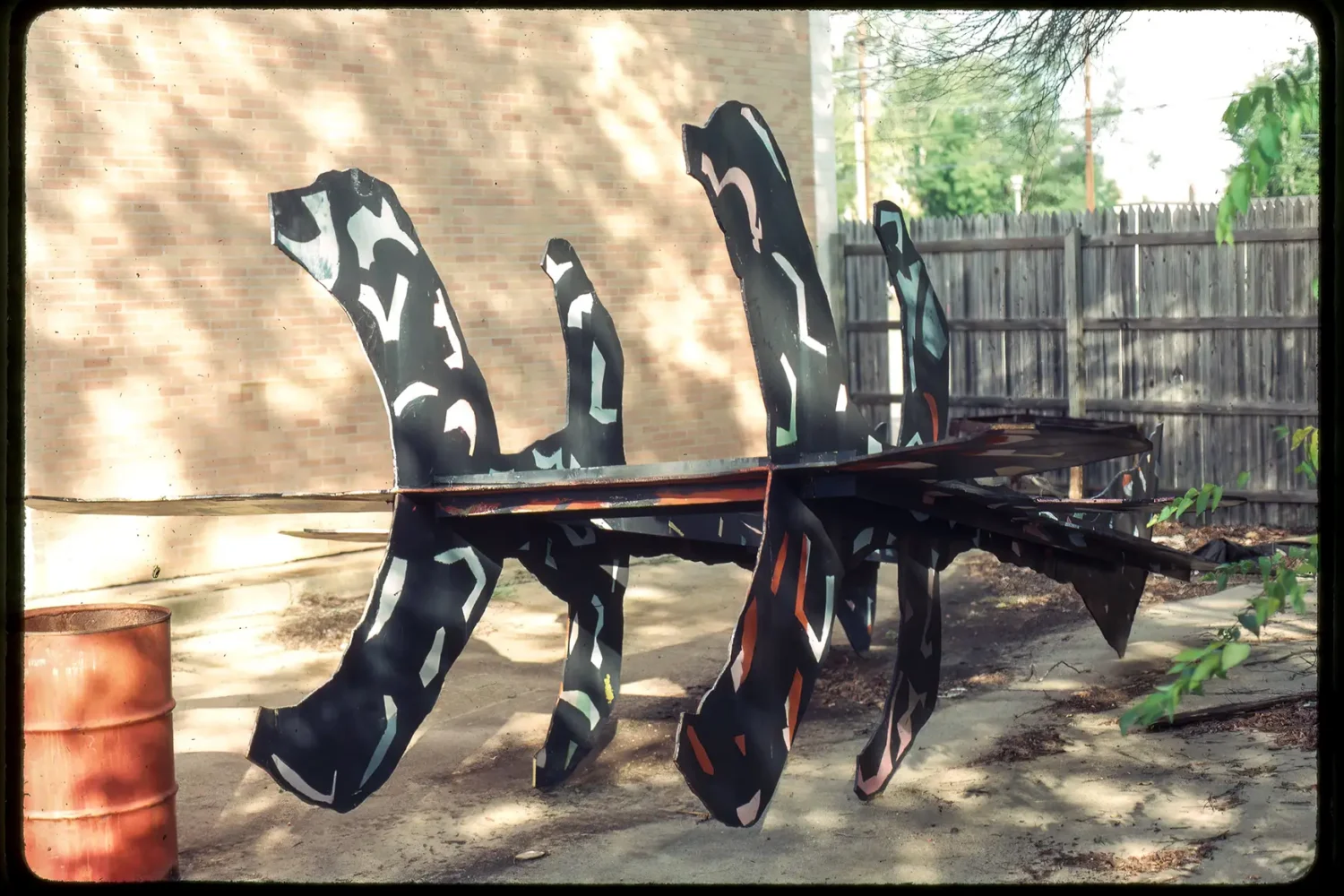
Following its removal, Night Winds spent more than a decade out of public view, stored behind the former college building.
Then, in 1997, the sculpture was given another opportunity.
Julie Fowler, then dean of Kilgore College’s Longview facility, helped arrange for Night Winds to be relocated to the Trinity School of Texas.
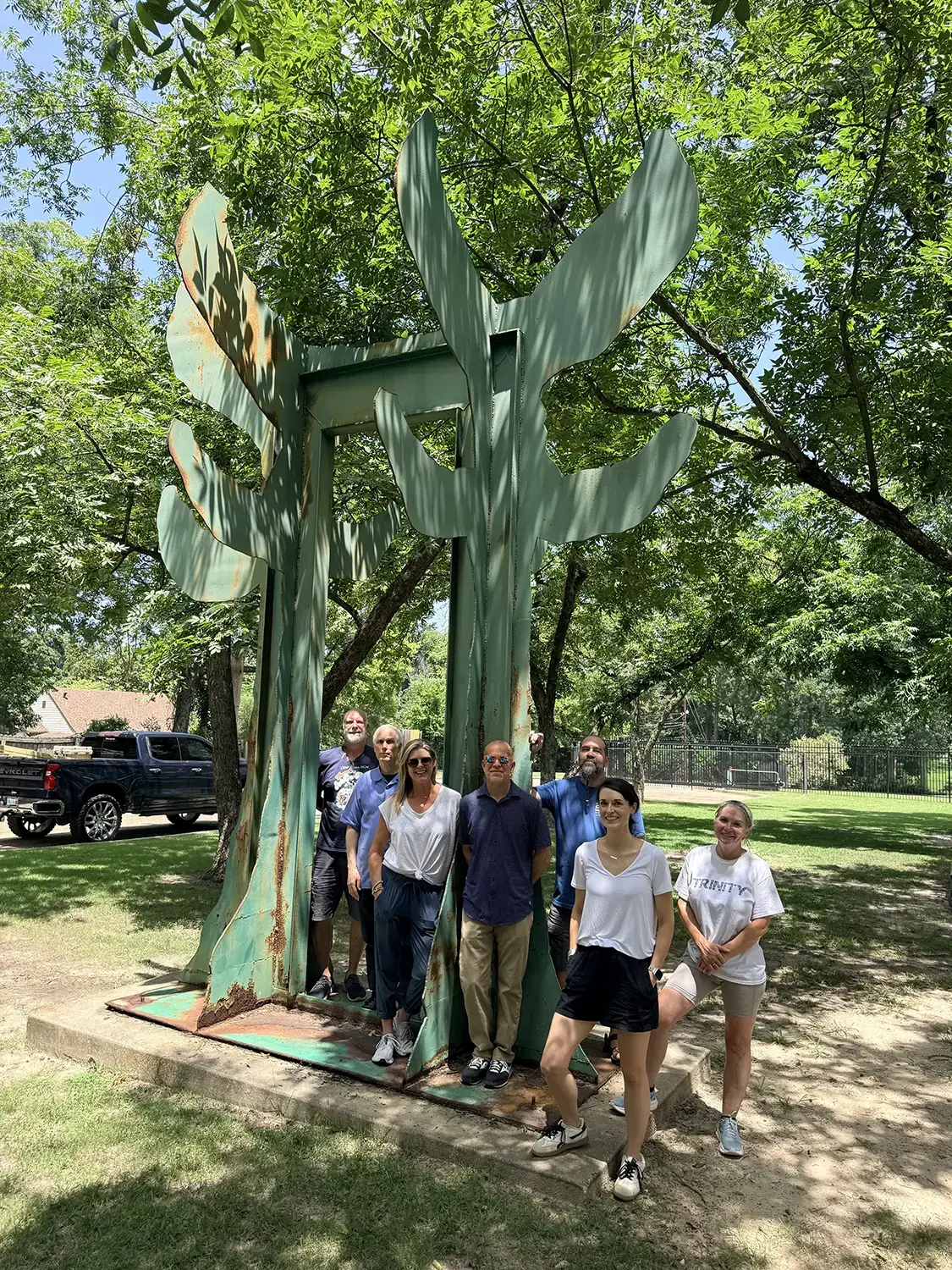
There, among the Pecan Grove, the sculpture found a quieter home, and a quieter color.
For nearly three decades, generations of students encountered the steel structure as part of their everyday surroundings. The artwork that once commanded attention on a busy street corner became a familiar feature while blending into the school’s landscape.
Trinity ‘s care for Night Winds helped preserve the sculpture through an important chapter of its history.
A New Chapter at the Longview Arboretum
In 2024, a conversation began between Trinity and the Arboretum. While the school had lovingly been the custodians of Night Winds for some time, many factors contributed to the search for a new and permanent home. The Arboretum had long been discussed as a possible site, but the move would require an arduous approval process, restoration, and transportation.
In 2025, the Arboretum Board of Directors approved the proposal to accept Night Winds as a permanent art instillation in the gardens. Due to the public/private partnership between the Arboretum and the City of Longview, plans then needed to move through the city’s public approval process.
The Longview Parks and Recreation Advisory Board and Cultural Activities Advisory Commission supported the proposal. On November 13, 2025, the Longview City Council formally approved the sculpture’s donation and placement on city-owned land at the Arboretum.
The project would give Night Winds a permanent garden setting, and provide an opportunity to restore and preserve the work for future generations.
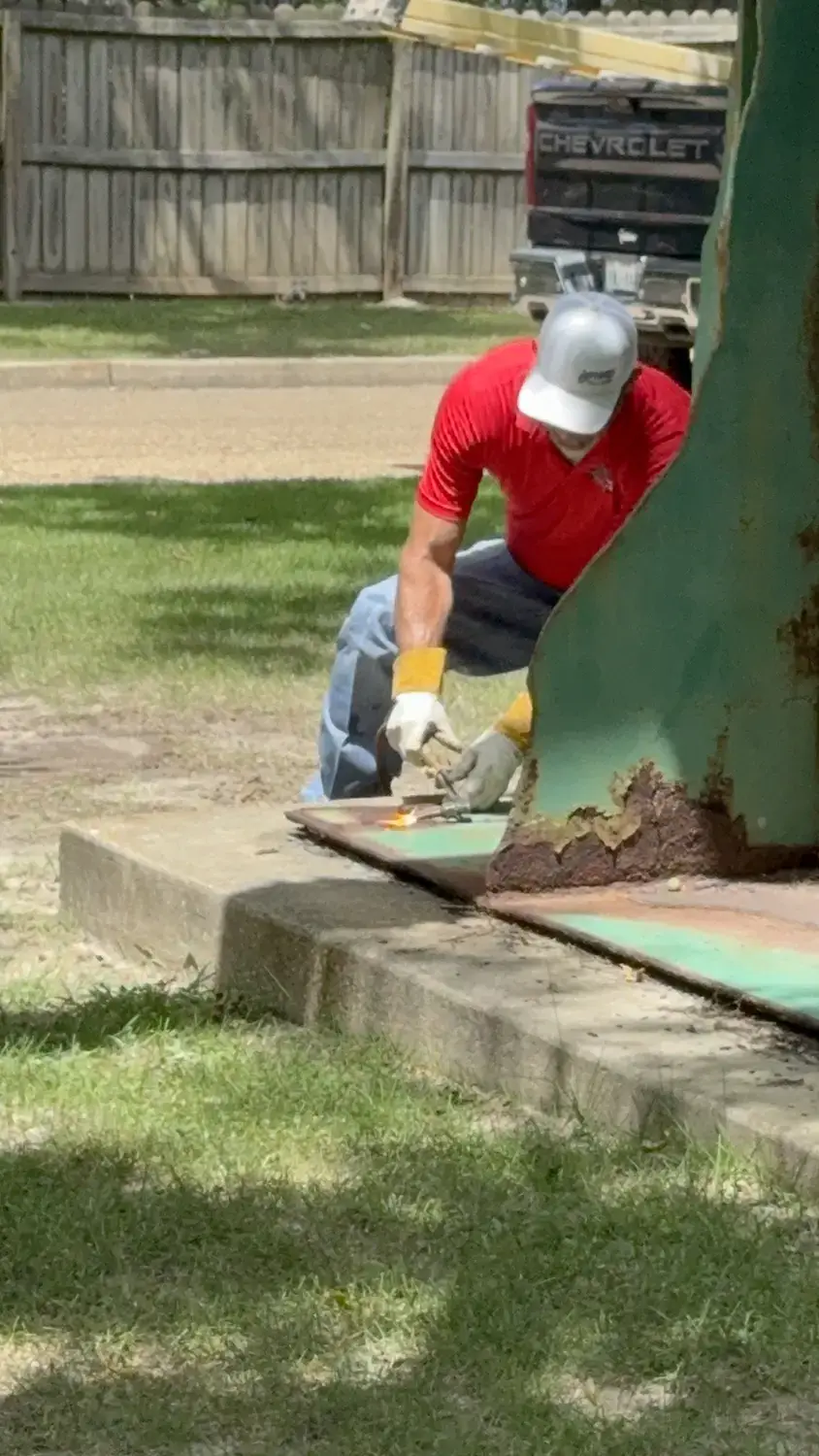
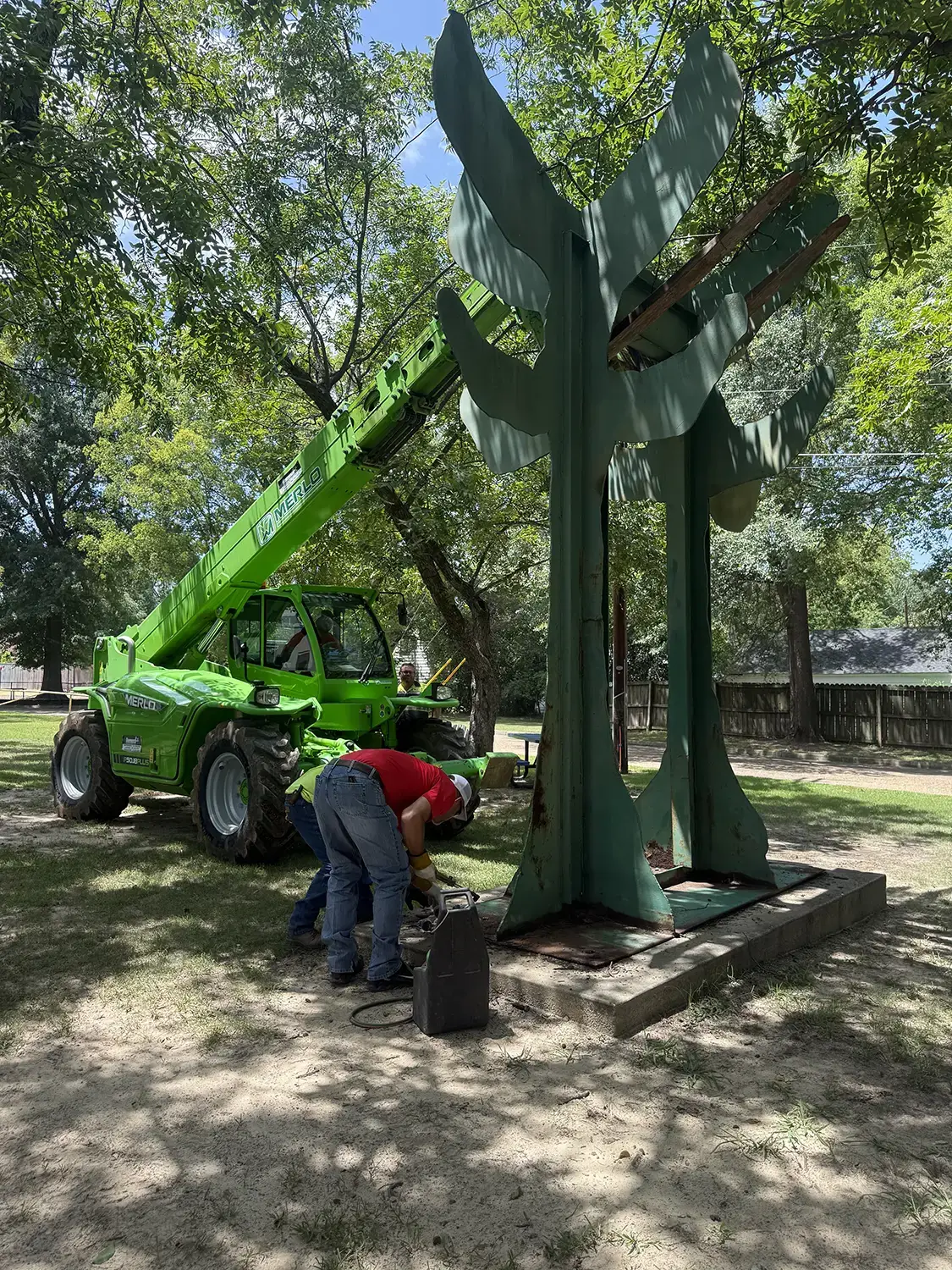
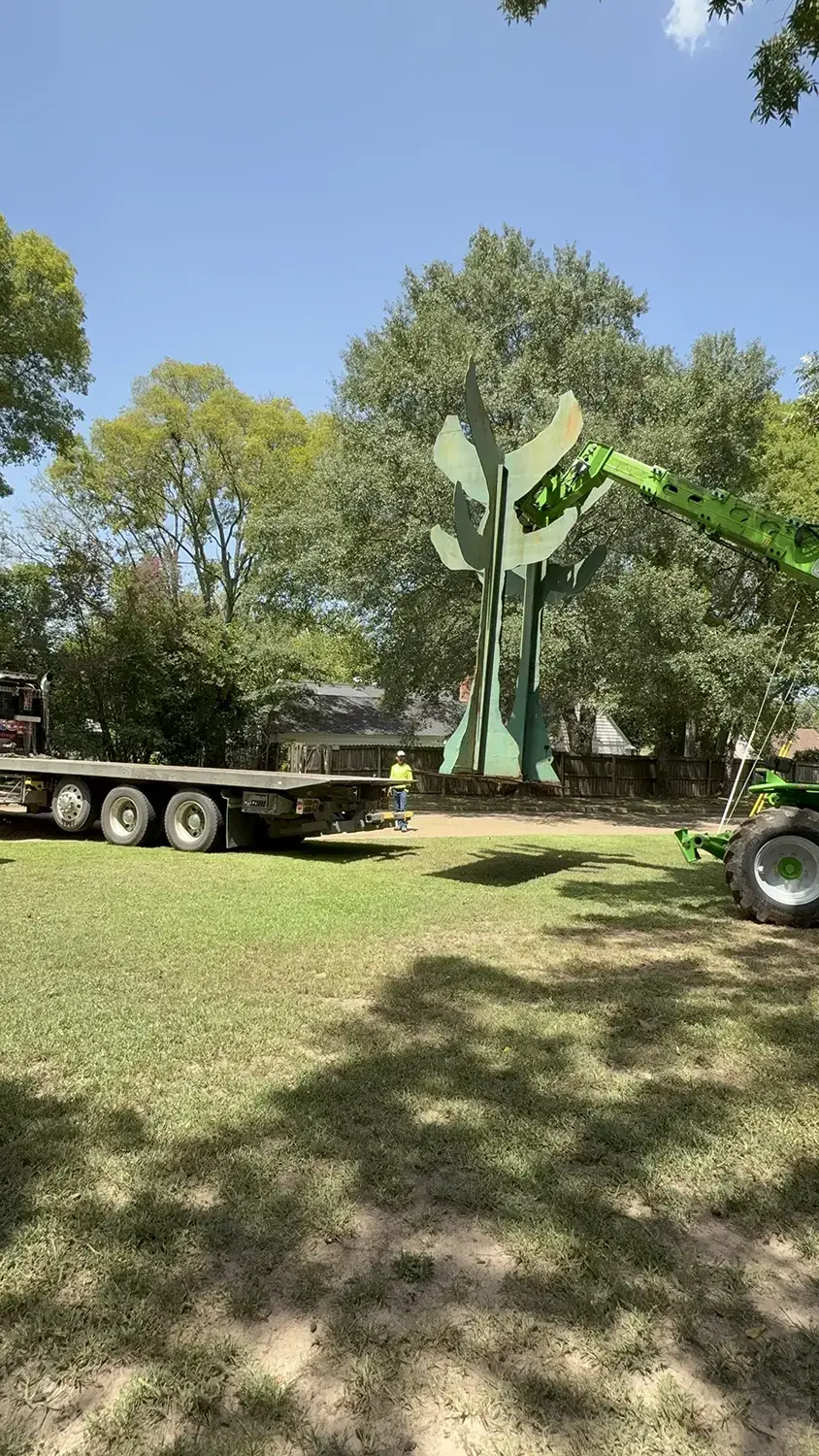
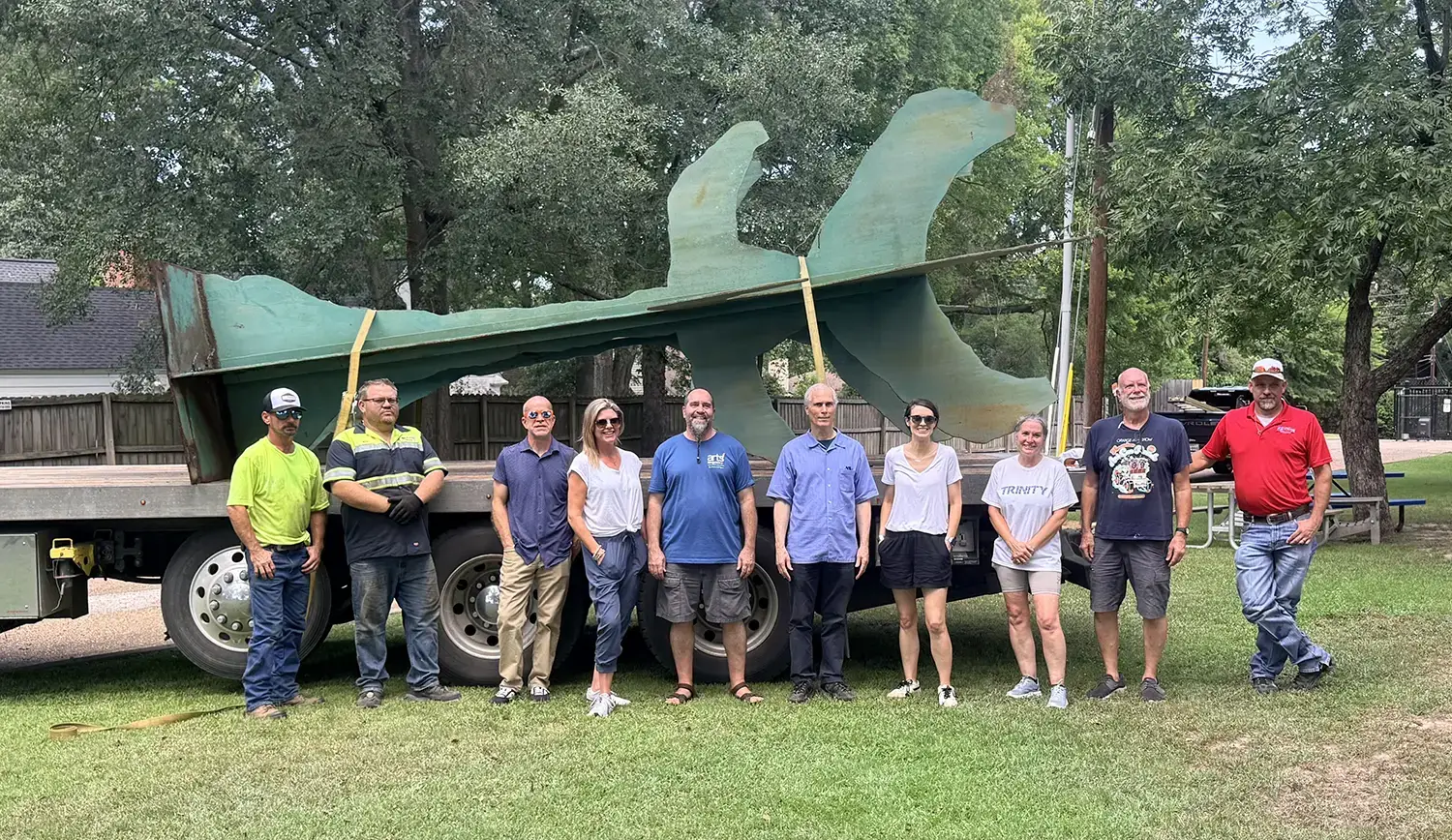
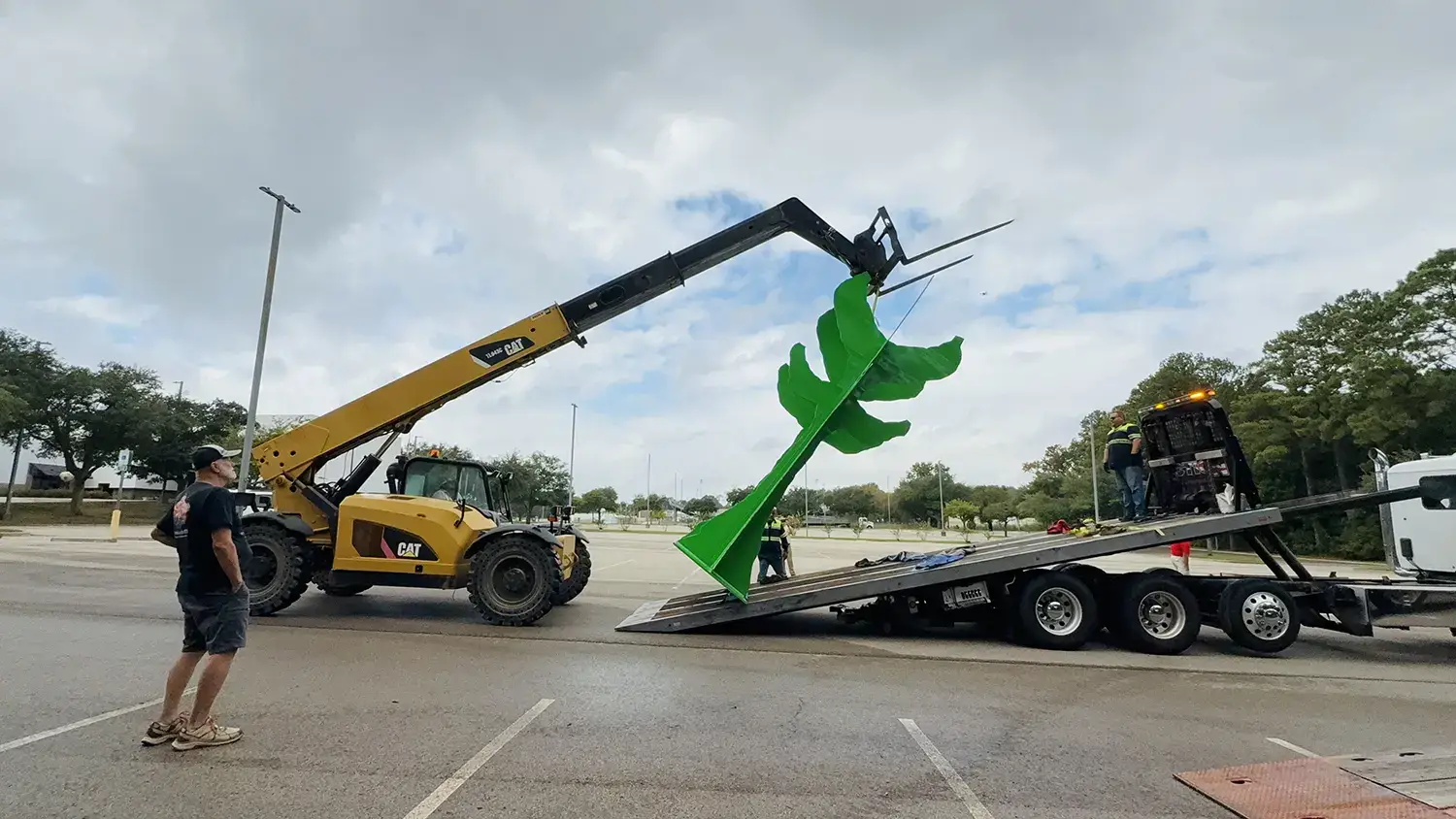
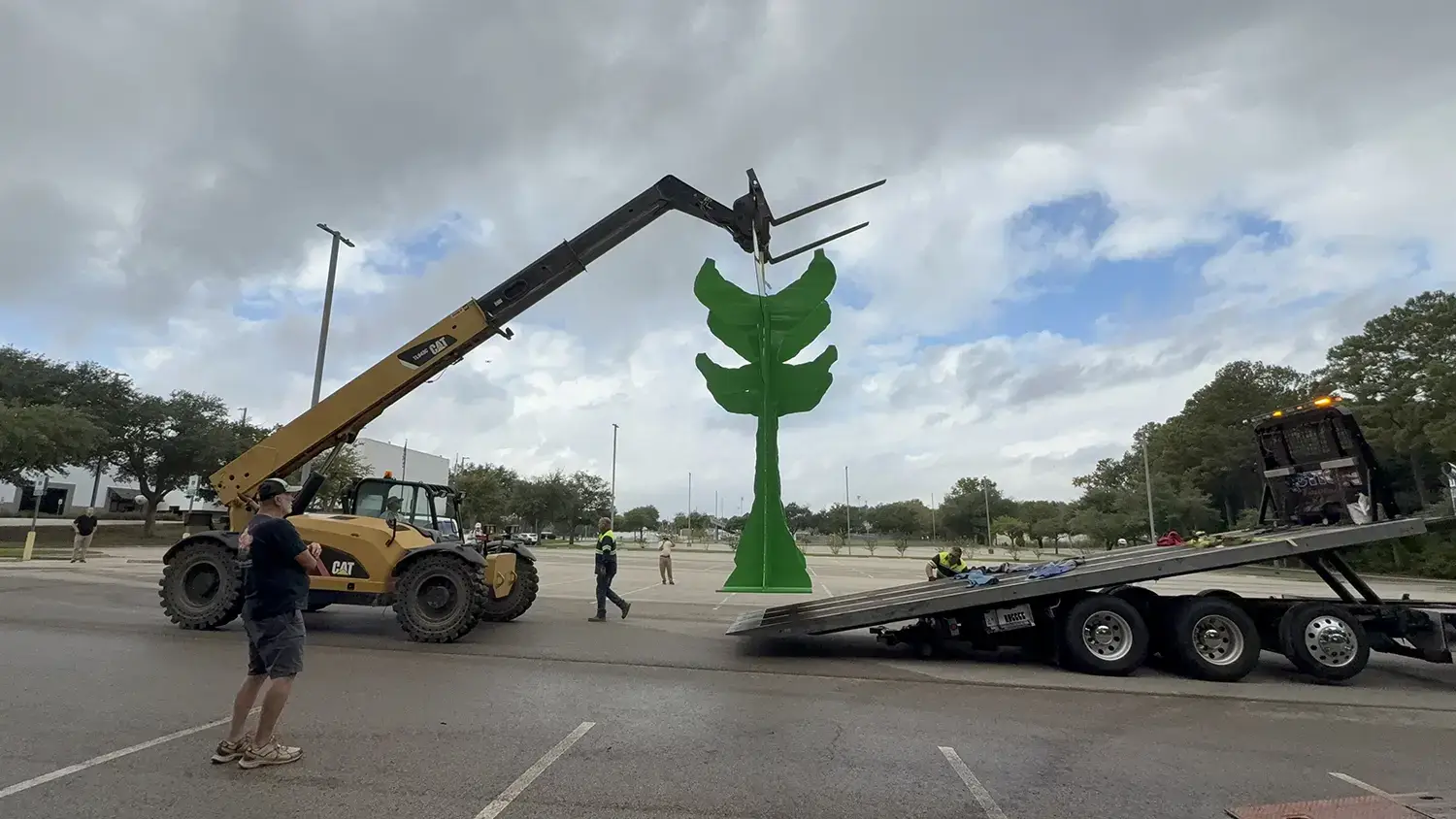
In the summer of 2026, the sculpture was removed from the Trinity School campus and transported for restoration. This was a significant undertaking for a structure of its size, weight and history.
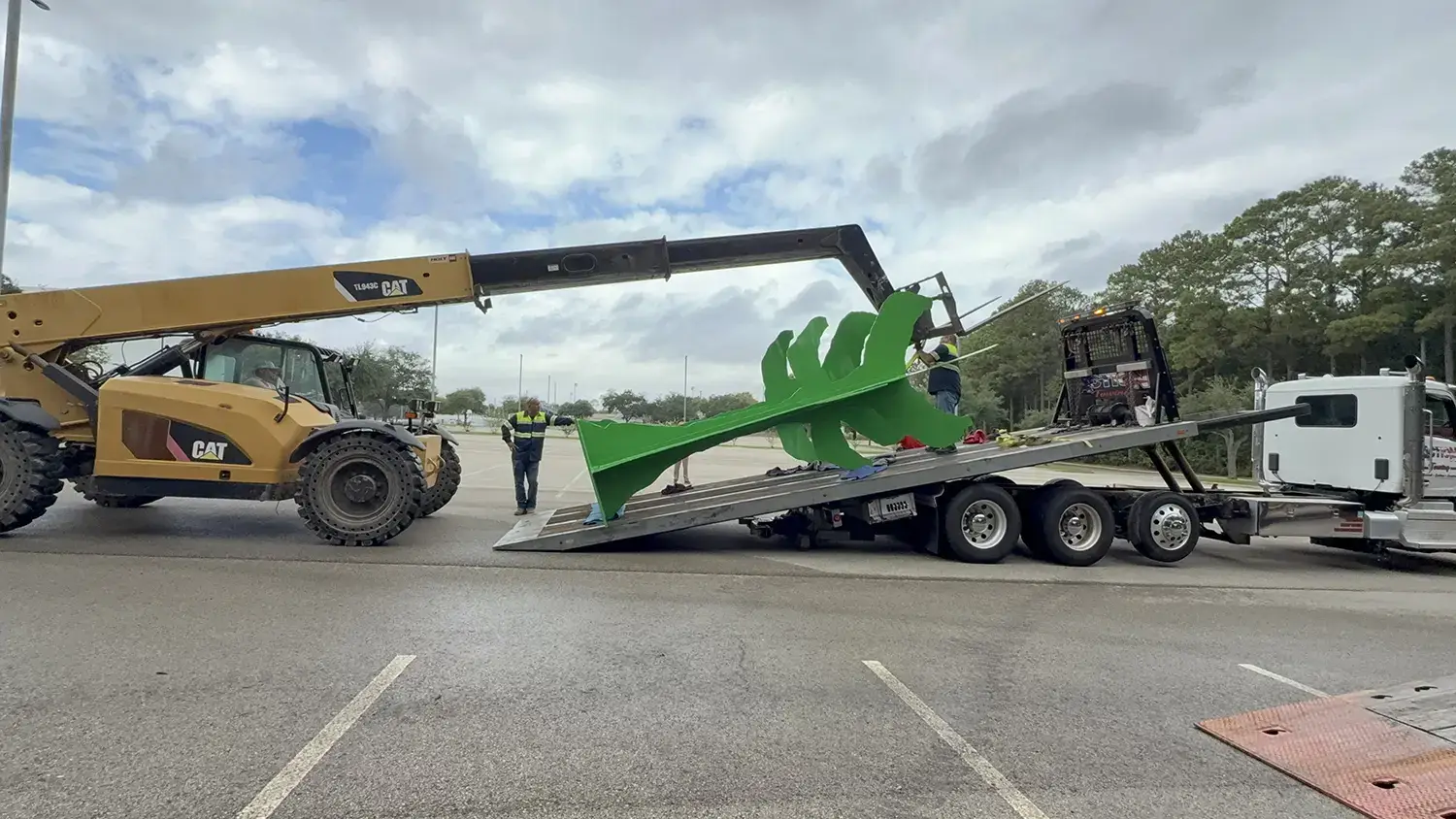
The journey was quite long and detailed. Restoration, site preparation and installation require careful planning and collaboration to ensure that the sculpture can be safely preserved and enjoyed in its new surroundings.
On November 2, 2026, more than 2 years after the initial conversation, Night Winds was installed at the Arboretum. The towering 16ft structure now stands majestically refurbished, nestled in the towering pine trees steps from the Komatsu Garden.
For the Arboretum, the addition represents an opportunity to connect artistic heritage with the natural environment. The sculpture’s abstract tree-like forms have found new context among the living trees and changing landscapes of the gardens.
Visitors will have an opportunity to encounter Night Winds not simply as an object with an unusual past, but as an accessible work of art worth discovering, studying and discussing.
Preserving More Than a Sculpture
The relocation of Night Winds is more than simply saving a monumental steel structure.
It is about preserving a piece of Longview’s cultural history. A history that includes the parts that were difficult, complicated and controversial.
Public art has a remarkable ability to reflect the communities around it. It can inspire admiration, invite curiosity, and challenge familiar ways of seeing the world.
Night Winds has done all those things.
Its story includes the artist who imagined it, the institutions that provided homes for it, the people who defended it, and the community that debated its place.
Each chapter has become part of the artwork’s legacy, and the Arboretum is delighted to help tell the story.

The Longview Arboretum has joined the American Horticultural Society Reciprocal Garden Network.
A membership with the Longview Arboretum entitles you to special admission privileges and discounts at 380+ gardens throughout North America including the Dallas & Fort Worth Botanic Gardens, Houston, San Antonio, Botanical Garden of the Ozarks in Arkansas, New Orleans, and more.